

Wooden kitchens have an irresistible allure that never fades, blending the undeniable warmth of natural materials with enduring style. Every grain, knot, and finish tells a story, breathing life and personality into a home’s core. In a world where interiors often feel cookie-cutter and cold, wooden kitchens offer a cozy sanctuary — a place where family recipes come alive and memorable moments unfold. But beyond their beauty lies a commitment to wood maintenance, a nuanced art that ensures this timeless charm lasts across decades.
As the intersection of tradition and innovation, wooden kitchens adapt seamlessly to varied interior styles, from rustic farmhouse vibes to sleek contemporary spaces. The duality between classical wooden kitchens adorned with intricate carvings and modern wooden kitchens emphasizing clean lines proves versatility is at the heart of kitchen design. Yet, maintaining this elegance requires intentional care — from dusting and polishing to guarding against moisture and heat.
Whether you’re dreaming about a full kitchen renovation or simply passionate about preserving your existing wooden kitchen’s integrity, there’s a wealth of knowledge waiting to be unearthed. Experts stress the importance of proper materials, timely inspections, and understanding the right products that keep wood looking radiant for long. Not to mention, pairing these kitchens with thoughtful organization—think smart kitchen trolleys or space-saving storage solutions—brings the best of style and function together.
The journey into wooden kitchens is filled with tactile textures, enchanting aromas, and legacy craftsmanship. Let’s unpack the layers that make these kitchens a beloved choice — and reveal how to keep their spirit shining bright in today’s bustling homes. 🌿✨
Key highlights at a glance:
- 🌳 Wooden kitchens offer enduring elegance and warmth unmatched by synthetic counterparts.
- 🧹 Proper cleaning and dedicated maintenance routines are critical to preserving cabinet care and surface durability.
- 🔥 Guarding against moisture and heat damage is essential for protecting natural materials and ensuring longevity.
- 🎨 The contrast between classical and modern wooden kitchens requires tailored upkeep approaches.
- 🔧 Professional kitchen services enhance lifespan and performance through timely repairs and inspections.
- ♻️ Reclaimed wood and heritage woodwork bring authentic vintage charm blended with modern sustainability.
- 💡 Innovative eco-tech tools aid in wood assessment and reducing waste during refurbishment.
- 🔗 Explore practical design ideas including space-smart kitchen islands or countertop solutions for a balanced look.
how do wooden kitchens stand the test of time with timeless charm?
The undeniable magnetism of wooden kitchens lies in their ability to encapsulate both history and modern comfort. There’s something about the texture of natural wood—the tiny imperfections, the subtle shifts of tone—that synthetic surfaces just can’t replicate. Families and designers alike cherish how wooden kitchens infuse spaces with organic vibrancy and invite personal storytelling through their grains and finishes.
Take classical wooden kitchens, for example. They exude a kind of regal elegance, often adorned with detailed moldings, ornate hardware, and layered paint finishes that echo centuries of craftsmanship. Imagine walking into a kitchen where a carved oak cabinet whispers tales of heritage while supporting the clatter of pots and pans. This style resonates with homeowners who favor tradition and authenticity, enriching any kitchen renovation project with a soulful character.
Contrast that with modern wooden kitchens, where sleek, minimalist cabinetry meets natural textures. Here, wood’s warmth counters otherwise cold, industrial aesthetics, creating a welcoming ambiance without clutter. Such kitchens elevate everyday cooking, making them spaces where function marries stunning design flawlessly. The cool thing? Despite their streamlined looks, these kitchens still require tender cabinet care to maintain their sleek finishes and resist damage from daily use.
Wood’s inherent durability is another factor boosting its timeless appeal. Well-maintained wooden kitchens can resist warping, chipping, and discoloration, lasting for generations. Specialized finishes and wood polishes enhance this resilience, protecting surfaces against moisture or heat that kitchens inevitably face. The right protective layers mean you can flash that charming natural grain without worry.
Beyond their physicality, wooden kitchens also anchor the emotional heart of homes. They create spaces that invite lingering conversations around an island or warm smiles during family dinners. It’s no surprise that a 2023 National Association of Realtors report noted homes with vintage woodwork kitchens can experience up to a 15% boost in resale value—a testament to tangible and sentimental worth.
Modern lifestyles demand versatility, yet wooden kitchens manage to straddle eras gracefully. Whether blending reclaimed wood panels that nod to heritage or coupling natural oak with contemporary hardware, these kitchens exemplify design fluidity. Plus, incorporating smart organizational features, like those seen in versatile kitchen island ideas, amplifies their appeal—giving form and function equal billing.
In a nutshell, the marriage of beauty, practicality and natural materials makes wooden kitchens a choice that’s as wise as it is stylish, ensuring they’ll never go out of fashion.
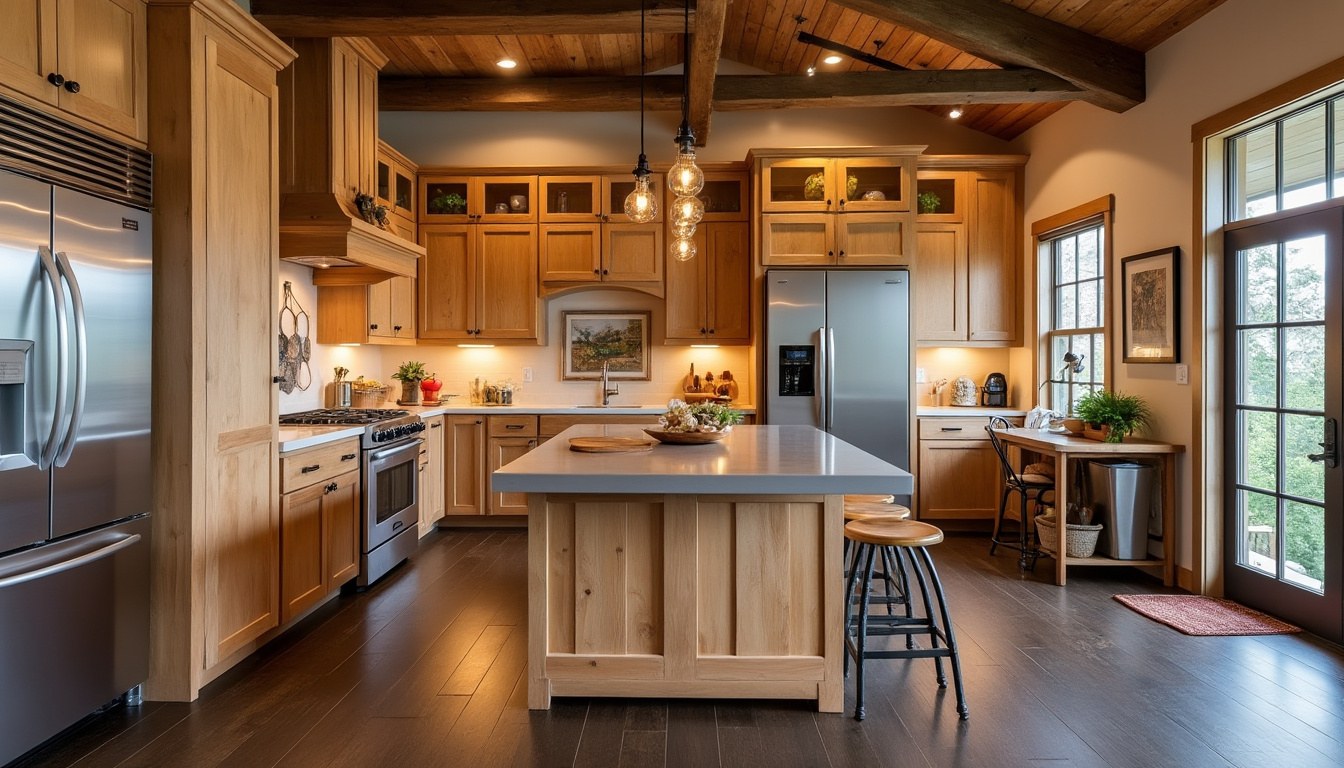
what are the essential practices for wood maintenance in kitchens?
Taking care of a wooden kitchen transcends daily tidying; it demands a thoughtful regime tailored to the wood’s unique nature. Skipping this can lead to faded colors, pockmarks, or worse, structural damage. So what’s the secret to preserving that natural shine and preventing wear and tear?
First, cleaning is key — but not just with any product! Wooden surfaces thrive with cleaners explicitly formulated for wood, which gently lift grime without stripping natural oils or damaging protective layers. I’ve heard many horror stories where harsh chemicals or abrasive sponges scratched perfectly pristine cabinets, turning lifetime investments into eyesores overnight.
Here are some golden rules for cabinet care to keep wooden kitchens dazzling:
- 🧽 Use a soft microfiber cloth or sponge to wipe surfaces; avoid anything rough that can scratch the finish.
- 🌿 Select cleaning solutions made specifically for wooden surfaces; a few drops of mild dish soap diluted in water can work well for light routine cleanups.
- 💧 Wipe up any spills or standing water immediately to prevent moisture seepage that warps or stains wood.
- 🛡️ Regularly apply high-quality wood polish or conditioner—preferably natural oils like tung oil or beeswax—to replenish moisture and preserve luster.
- ❌ Avoid harsh chemicals like bleach, ammonia, or abrasive scrubs that degrade the wood’s protective finish.
Beyond cleaning, protection against environmental insults matters massively. Moisture is the archenemy of all wood in kitchens. Installing adequate ventilation with a strong exhaust hood helps whisk away cooking steam before it settles. In fact, continuous air circulation can reduce mold growth and stave off wood swelling, both major concerns in humid cooking areas.
Heat damage should not be overlooked either. Hot pans or pots placed directly on wooden surfaces can cause unsightly heat marks and weaken finishes. Using trivets and hot pads isn’t just about avoiding burns, but about respecting the material’s longevity. Similarly, UV light from large windows can fade wood’s natural tone over years; window treatments or UV-protecting films can mitigate this.
Interestingly, when compared to aluminum kitchen materials praised for durability and ease of maintenance, wood demands a little more TLC—but the authentic warmth it radiates makes the extra effort totally worth it. Clients seeking a natural, luxurious interior style often pick wooden kitchens despite requiring this specialized upkeep.
Doing periodic inspections on hinges, handles, and drawers for wear and tear adds another layer of care, ensuring mechanical parts continue to function smoothly and avoiding costly repairs down the line.
So, maintaining wooden kitchens beautifully combines gentle cleaning, protective habits, and proactive upkeep. When these come together, the results are nothing short of stunning—a space that looks as vibrant as the day it was installed.
how do classical and modern wooden kitchens differ in care requirements?
Wooden kitchens aren’t a one-size-fits-all deal. Their elegance stretches across styles—from the grandiose classical kitchens featuring intricate designs to the sleek modern ones boasting minimalist aesthetics. These stylistic differences mean their wood maintenance routines vary substantially.
Classical wooden kitchens shine through ornate moldings, hand-carved details, and layered finishes—think oak, walnut, or cherry woods meticulously worked for regal effect. Because of their complexity, these kitchens need extra caution during cleaning to preserve delicate carvings and finish nuances. Dusting must be frequent, using soft brushes to reach grooves without abrasion. Polish and cleaning treatments are ideally lighter and more tailored, avoiding buildup that muffles wood grain or alters original color tones.
By contrast, modern wooden kitchens thrive on simplicity. Flat-panel doors, natural or matte finishes, and monochrome wood tones call for straightforward care. Cleaning at regular intervals with standard wood cleaners and gentle polishing keeps surfaces gleaming. Unlike classical styles, these benefit more from abrasion-resistant finishes to repel fingerprints, splashes, and scratches from active cooking lifestyles.
Here’s a practical comparison of care essentials:
| Aspect 🔧 | Classical Wooden Kitchens 🎨 | Modern Wooden Kitchens 🪵 |
|---|---|---|
| Cleaning Tools 🧽 | Soft brushes and microfiber for intricate moldings | Soft cloths or microfiber for smooth surfaces |
| Cleaning Frequency 🕒 | More frequent to prevent dust buildup in details | Routine weekly cleaning suffices |
| Polish Type 💧 | Natural oils like beeswax or tung oil for depth | Modern wood polishes with scratch resistance |
| Handling 🤲 | Gentle to avoid chipping of ornate details | More tolerant of daily wear |
| Repairs 🛠️ | Professional touch often needed for refinishing | DIY possible for minor scratches and dents |
While both require vigilance against moisture and heat, classical kitchens typically need more frequent professional touch-ups to keep their luxurious look intact. Meanwhile, modern wooden kitchens encourage practical maintenance routines designed for busy households.
The choice of kitchen style should also reflect lifestyle. Those with lively family kitchens, frequent cooking experiments, or small children might prefer the robustness of modern wooden kitchens, which balance aesthetics and low maintenance nicely. On the other hand, classical wooden kitchens attract those passionate about heritage and craftsmanship, ready to invest time in preserving their kitchen’s soul.
This delicate dance between style and maintenance proves that wooden kitchens aren’t just about looks but about lifestyle alignment and dedication to care.
how do professional kitchen services enhance the lifespan of wooden kitchens?
In the wild ride of kitchen life—from spontaneous dinner parties to hectic weekday breakfasts—professional kitchen services act as your kitchen’s guardian angels. Besides installing and designing, these experts specialize in regular upkeep that keeps wooden kitchens looking pristine and functioning like new.
The role of professional kitchen services spans:
- 🔍 Regular inspections of cabinet hinges, drawer sliders, and hardware to fix early signs of wear.
- 🛠️ Timely repairs of scratches, dents, or loose components, preventing damage escalation.
- 🖌️ Specialized refinishing or polishing treatments tailored for different wood finishes.
- ⚙️ Adjusting door alignments and ensuring drawers open smoothly for optimum usability.
- 🧴 Advising on the best wood care products suited to your kitchen’s specific finish and environment.
This hands-on approach helps owners dodge costly replacements down the line and retain that timeless charm critical to their kitchen’s identity. Many providers, including leaders like Al-Hanno Trading, offer all-encompassing kitchen services, from kitchen design to maintenance, tailored to diverse kitchen types—whether classical, modern, or even contemporary aluminum-infused styles.
In this way, professional kitchen services become a bridge between owners and their kitchens’ longevity, offering peace of mind and expert know-how rolled into one. After all, a kitchen well-served by professionals sustains sparkle and function, blending beauty and practicality effortlessly.
what are some essential tips to extend the lifespan of wooden kitchens?
Protecting your wooden kitchen investment means embracing a blend of daily habits and periodic upkeep rituals. Like a trusted friend, the kitchen rewards attentiveness and caution. Here are some must-know tips to keep those wooden cabinets glowing for years to come:
- 🧼 Clean regularly with appropriate wood maintenance products, and never let water linger on surfaces long.
- 🔥 Use hot pads and trivets to shield wood from extreme heat when cooking or placing hot cookware down.
- 💨 Ensure good ventilation to avoid moisture buildup; install or maintain exhaust fans to whisk away cooking steam.
- 🔩 Tighten loose hinges and inspect cabinet doors periodically to prevent misalignment and wear.
- 🌚 Apply natural or commercial wood polishes at least twice a year to nourish wood fibers and preserve shine.
- ♻️ Consider eco-friendly wood care products that align with sustainability principles, enhancing both environmental and kitchen health.
- 🔨 Act promptly upon noticing minor scratches or dents; timely touch-ups prevent more extensive damage.
Incorporating these habits pays dividends. Not only do they maintain the appearance and texture of your kitchen, but they support the durability and integrity that let wooden kitchens live up to their timeless reputation.
For those curious about ventilation hacks and clever kitchen renovation solutions, exploring modern trends can complement your traditional kitchen’s needs. From adding wall-mounted drainers to innovative storage options, there’s a treasure trove of ideas fitting for kitchens that balance old-world charm with contemporary function seamlessly. 🔥🌿
How can wooden kitchens be maintained for a long time?
Wooden kitchens can be maintained by cleaning them regularly using cleaners specialized for wood, drying any water immediately, and avoiding harsh chemicals. Regularly inspecting and tightening hinges and other hardware also helps prolong their lifespan.
What is the difference between classical wooden kitchens and modern wooden kitchens?
Classical wooden kitchens feature traditional, ornate designs with intricate detailing, requiring delicate cleaning and care, while modern wooden kitchens emphasize simplicity and minimalism with easier maintenance. The choice depends on personal style and lifestyle needs.
Do wooden kitchens need periodic maintenance?
Yes, wooden kitchens require periodic maintenance such as hinge inspections, scratch repairs, and protective layer upkeep to maintain their appearance and durability over time.
Are aluminum kitchen materials better than wood?
Aluminum kitchen materials offer superior resistance to moisture and heat and require less maintenance, but wood provides unmatched natural warmth and luxury. The best choice depends on lifestyle requirements and aesthetic preference.
What benefits do professional kitchen services provide?
Professional kitchen services offer regular inspections, prompt repairs, tailored refinishing, and expert advice on care products, all enhancing the lifespan, appearance, and functionality of wooden kitchens.
