

Rock cakes have long been a beloved staple within the tapestry of British baking. These charming, craggy little treats aren’t just any baked good — they’re steeped in tradition and brimming with nostalgic warmth. Whether enjoyed at a bustling family gathering or a quiet afternoon tea, the rock cake is a symbol of comfort in every bite. With their golden crust and fruity, crumbly interiors, rock cakes capture the essence of classic British teatime without asking for hours of fuss or special equipment. They sit comfortably alongside scones and other teatime treats, but what sets them apart? their forgiving texture and ease of making make rock cakes the perfect canvas for bakers young and old alike. 🫖🍪
Here’s the deal: unlike delicate scones that demand precision and perfect rising, rock cakes offer a rustic and relaxed baking experience. They’re like the dependable friend who’s always around for a quick snack, a spot of tea, or a cozy moment on the couch. The best part? Kids can easily join in and get sticky-handed without worrying about perfect shapes—seriously, it’s a joy to watch little bakers shaping these golden nuggets of yum! Plus, with each bite delivering a delightful hit of dried fruit, sweetness, and just a whisper of spice, rock cakes truly are a timeless treat that promises smiles all round. Curious how to get that classic look and flavour? Read on for a deep dive into why this rock cake recipe remains a traditional, easy bake favourite for afternoons steeped in British charm and indulgence. 🌟
what makes rock cakes an iconic part of British afternoon tea?
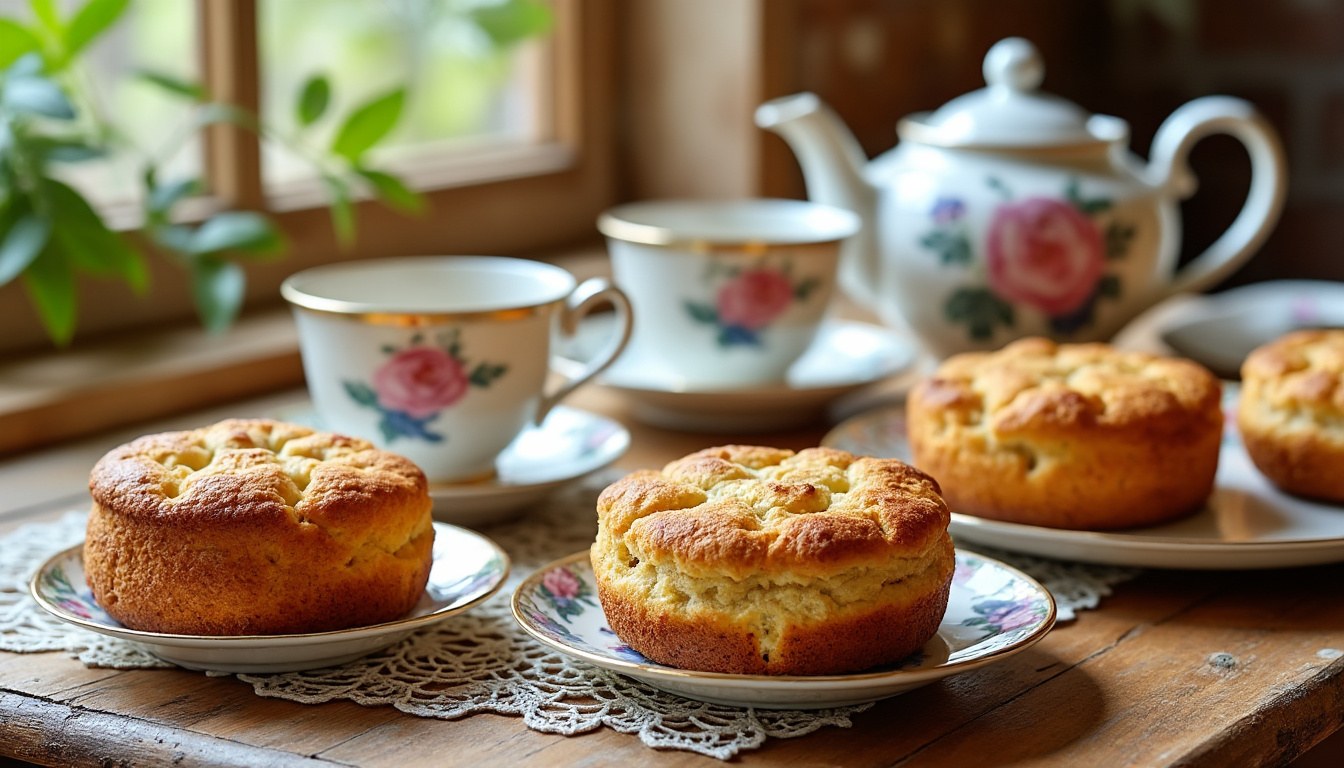
Rock cakes have carved out a niche all their own in the British afternoon tea landscape, a space crowded with elegant finger sandwiches, buttery scones, and dainty pastries. What sets rock cakes apart is their delightful texture—a crumbly exterior to rival the best biscuit, peppered with sweet, chewy bursts of dried fruit inside. They’re not about fussy embossing or blending perfect harmonies of butter and flour, but rather a rustic, homely charm that makes every bite feel like a warm hug.
Historically, rock cakes were born out of necessity—quick, reliable bakes made from pantry staples when times were lean or when the afternoon slump hit, demanding a cheerful pick-me-up. Their name? It comes from their rough, jagged exterior that looks like little boulders sprinkled with sugar—you know, those chunky lumps that resemble rocks more than cakes, yet melt pleasingly on the tongue. This rough look isn’t a sign of hardness; it’s a badge of authenticity; they’re tender and crumbly beneath the crust.
These cakes stand shoulder to shoulder with scones, but if you’ve ever fretted about scones not rising enough or turning out dense, you’ll appreciate how forgiving rock cakes are. They don’t need perfect mixing or rising agents to be delightful. Rock cakes’ versatility is legendary. Fancy a twist? Add orange zest for freshness, swap raisins out for cranberries, or dunk a few chocolate chips in for a modern spin. They’re ideal for quick baking sessions, making them a hit among busy parents, school snack providers, and anyone craving that British teatime homely vibe.
In recent years, rock cakes have experienced a bit of a renaissance. Baking enthusiasts on blogs and social media platforms can’t get enough of these traditional delights. Influencers are reinventing them with gluten-free and vegan variations too, showing that while the rock cake recipe is timeless, it’s far from stuck in the past. Combined with a steaming cup of tea, they make any afternoon feel just a tad more special, proving that British afternoon tea rituals still have a heart as warm as ever. In fact, if you want to explore more British teatime recipes with a twist, check out fairy cakes—another delightful classic!
how to master the traditional rock cake recipe step by step
Baking rock cakes surprisingly feels like a breeze even for folks who don’t call themselves kitchen wizards. The charm lies in the simplicity of the ingredients—basic staples you likely already have in the pantry—and the no-fuss approach to mixing and shaping.
Let’s break down the key steps that take you from plain ingredients to golden, fruity morsels, perfect for dunking into a cuppa:
- Preheat your oven to 180°C (fan)/200°C/400°F and line a baking tray. A hot oven is essential for that lovely exterior crunch.
- Using your fingertips, rub 100g of butter into 225g of self-raising flour until the mix looks like fine breadcrumbs—light and airy, not greasy or clumpy.
- Stir in 75g caster sugar plus half a teaspoon of ground mixed spice (or cinnamon if you fancy) to add gentle warmth and sweetness.
- Toss in 100g mixed dried fruit like raisins, sultanas, and currants. This step guarantees every bite bursts with juicy charm.
- Whisk together one beaten egg and two tablespoons of milk, then pour into the dry mixture. Stir gently until you get a sticky, rough dough. Resist the urge to over-mix!
- Drop heaped spoonfuls onto your prepared tray, leaving space for a touch of oven expansion.
- Sprinkle with a couple tablespoons of demerara sugar—this secret touch gives the tops a delightful crunch and sparkle.
- Bake for 15–20 minutes until golden and firmer to the touch. Your kitchen should smell like warm spice and fruit heaven.
The beauty of this easy bake is how forgiving it is at every step. Don’t worry if your rock cakes look more rugged than polished—a lumpy, rustic edge is exactly what you’re going for. The slightly rough surface means you’re one step closer to a genuine British teatime experience.
If you want even more baking inspiration, why not expand your repertoire with some British classics like these rock scones, that share a similar comfort but with their own twist?
what flavors and variations can make rock cakes your own?
Don’t just stop at the traditional recipe—rock cakes are a brilliant canvas for experimentation and personalization. Everyone has that one fruit or flavor combination they swear by. Why not make yours? Whether you’re baking for company or just treating yourself, customizing your rock cakes adds an exciting twist to an old favourite.
- 🍫 Chocolate chip rock cakes: Substitute some dried fruit for chocolate chips to give a decadent melt-in-your-mouth texture that kids and adults alike adore.
- 🍊 Citrus zest boost: Add grated orange or lemon zest to give a zestier, fresher note that contrasts beautifully with the warm spices.
- 🥥 Toast to coconut: Sprinkle in a few tablespoons of desiccated coconut for tropical hints and a little chewier bite.
- 🌰 Nutty crunch: Chopped walnuts or almonds add texture and a rich depth to each cake, perfect for those who prefer a bit of crunch.
- 🌿 Herbal hints: Throw in some chopped rosemary or lavender for a more grown-up, subtle aromatic experience.
- 🧁 Vegan swap: Use plant-based butter and a flax or chia egg replacement to keep the cakes moist and crumbly while vegan-friendly.
Even simple tweaks like adding a splash of vanilla extract make a wonderful difference. Don’t underestimate the power of a dash of innovation with such an accessible recipe. It turns a humble bake into an exciting conversation starter. Imagine your friends at tea marveling at the unexpected richness of your version or the spark of citrus that livens up the palette.
Baking is all about joy and making traditions personal, so put your spin on things and see where your culinary creativity takes you. The possibilities to evolve this classic dish while keeping its hearty spirit alive are endless.
how to enjoy and store your rock cakes to keep flavors perfect
Enjoying rock cakes fresh from the oven is arguably the best way to get the full experience. They offer that contrast of crisp, craggy edges and tender, fruit-studded interiors that sing with warmth and comfort. But what if you want to stretch out this pleasure beyond a single tea session?
Here’s a handy guide to savoring and storing your rock cakes:
| Storage method 🥡 | Duration ⏰ | Tips for freshness 🍞 |
|---|---|---|
| Freshly baked | Best same day | Eat while still warm for maximum flavor & texture |
| Room temperature (airtight container) | Up to 2 days | Keep away from heat sources to avoid dryness |
| Freezing | Up to 3 months | Cool completely, then freeze in a sealed bag; defrost at room temp |
The crumbly texture can take a wee hit if left too long without protection, so a smart storage method keeps that cosy bite intact. Reheating in a gentle oven or microwave for a few seconds can magically bring back some of the fresh-baked magic.
Serving tip? Slather a little butter on your rock cakes while they’re still warm — dense with melted goodness that makes tea time a celebration. For the adventurers, why not pair your cakes with some clotted cream or tangy lemon curd for a truly decadent British afternoon tea? These simple touches elevate humble rock cakes to grand teatime glory.
why rock cakes remain relevant in modern British baking culture
In the fast-paced world of 2026, where every second counts and kitchen time is precious, rock cakes stand tall as the ultimate easy bake that combines heritage, taste, and simplicity. They’re proof that tradition need not be sacrificed for convenience. Lots of home bakers, including new generations, are embracing these treats not only because they remind them of family gatherings but because they represent a slice of history you can hold in your hands.
Interestingly, British tea culture, a mainstay of social interaction, has evolved but stubbornly clings to these tokens of the past—the humble rock cake included. It’s common to see hybrid tea events, community bakeries, and online baking tutorials dedicating time to mastering this recipe. The traditional rock cake cuts across ages, demographics, and skill levels with its rustic appeal and simple preparation.
Educators and parents find rock cakes invaluable for teaching baking basics and instilling pride in traditional recipes. Even in a techno-savvy era where kitchen gadgets abound, many scramble back to this old-school, no-fuss formula for an authentic teatime experience. Not to mention, rock cakes encourage experimentation within safe baking parameters which keeps the recipe alive and kicking.
If you’re keen to expand your baking journey beyond rock cakes, there’s a wealth of inspirations out there—take a peek at rocky road no bake chocolate recipes that offer yet another fun, easy way to indulge in British sweet traditions without turning on the oven. The melding of old and new baking styles keeps Britain’s culinary heritage not only alive but thriving in 2026.
So go ahead, whip up a batch of rock cakes, invite friends over, and make teatime the treat it is meant to be—no fuss, all heart, utterly delicious.
Can rock cakes be made vegan?
Absolutely! Swap butter for a plant-based alternative and replace the egg with flaxseed or chia seed mixture; the cakes remain deliciously crumbly.
What’s the difference between rock cakes and scones?
While both are popular British teatime treats, rock cakes have a craggier texture, are more forgiving in baking, and often include mixed dried fruit. Scones tend to be softer and flaky.
How do I know when my rock cakes are perfectly baked?
Look for a golden-brown crust and a firm but slightly springy texture. A toothpick inserted should come out clean or with just a few crumbs—not wet dough.
Can I substitute self-raising flour with plain flour?
Yes! Just add 2 teaspoons of baking powder to the plain flour to mimic the lift of self-raising flour.
Is it possible to store rock cakes for later consumption?
Definitely, store in an airtight container for up to 2 days or freeze for longer storage up to 3 months.
in the overall, there’s something special about a humble rock cake that makes British afternoon tea truly magical. Whether you’re a seasoned baker or a kitchen newbie, they invite everyone to join in the fun of baking and sharing. Their rustic charm and forgiving nature mean you can’t go wrong — and what’s better than blending heritage and ease? Embrace the tradition, whip out your mixing bowls, and enjoy a golden slice of British baking culture today ☕🍰
Thanks a ton for sticking with me through this delicious journey! Remember, every rock cake baked is a story shared, a memory created, and a moment savoured. Happy baking, folks! 🎉
