

Dreaming of that perfectly baked pizza with a crackling crust, bubbling cheese, and a hint of smoky aroma wafting through your home? The surge in professional pizza ovens designed specifically for home use has brought that pizzeria-quality experience right to your backyard or kitchen! But with so many options flying off the shelves in 2026, the quest to pick the best pizza oven equipped with ideal pizza oven features can feel dizzying. From sleek electric pizza ovens ideal for indoor spaces to the robust, flame-filled wood-fired pizza ovens that rekindle the magic of classic Italian flavors, choices have never been richer or more exciting. This booming market isn’t just cooking up better pies; it’s transforming home pizza baking into an art and science that food lovers and weekend chefs alike can master. If you’re aiming to elevate your pizza baking at home experience, knowing how to navigate through pizza oven types and understanding essential oven temperature control can turn your purchase from guesswork into celebration! 🍕🔥
In brief – here are the sizzling points to keep in mind for choosing pizza oven that suits your home and pizza dreams:
- 🔥Choose your fuel source wisely: Gas for speed and control; wood-fired for authentic smoky charm; electric for indoor convenience; or multi-fuel for maximum flexibility.
- 🍕Size matters: Consider your typical pizza size and batch cooking needs – a 12-inch oven suits couples, larger ovens fit family feasts.
- 🌡Maximize floor temperature: The real magic happens at the stone floor rather than dome temperature for crust perfection.
- 🏡Portability versus permanence: Lightweight models offer mobility for the adventurous; heavy installations suit backyard party pros.
- 💰Match your budget to features and build quality: From entry level to investment-grade, quality insulation and materials justify the cost.
how to pick the perfect home pizza oven: understanding fuel types and their impact
When it’s time to bring a professional pizza oven into your home, the very first fork in the road is the burning question of which fuel type matches your lifestyle and cooking style — a decision that massively shapes your pizza experience. The four major pizza oven types dominating the market today include gas, wood-fired, electric, and hybrid multi-fuel ovens. Each delivers a unique personality and set of demands, making this choice both exciting and crucial.
Gas pizza ovens are the darling of convenience lovers. Imagine firing up pizza perfection with a simple twist of a knob — no ashes, no smoke, no babysitting the flames. These ovens often climb to scorching temperatures of up to 950°F within 20 minutes, ready to deliver consistent, restaurant-grade pizza quickly. This is perfect if oven temperature control without fuss is your top priority, especially for busy evenings or neighborhood block parties in the suburbs where smoke might be unwelcome. The best electric ovens also take this spot indoors but lack some serious char and smoky undertones true pizza aficionados crave.
On the flip side, the wood-fired pizza oven embodies pizza-making’s romantic spirit — the blazing logs, bursts of flame, and aromatic smoke that transform flavor profiles beyond compare. These ovens can reach exceptional heat up to 900°F or more, breathing authentic character into every crust. They do demand patience for preheating (usually around 30-45 minutes) and skill to manage fluctuating heat levels, but purists swear by this method’s unbeatable taste and atmosphere. For those who want the best of both worlds, multi-fuel hybrids (think: wood or charcoal fuel with optional gas burners) offer jaw-dropping flexibility — switching fuel depending on weather, time of day, or desired flavor, perfect for the experimental home chef.
A less conventional but increasingly popular pick is the electric pizza oven, prized in small apartments and indoor kitchens for its zero emissions and safety features. While the maximum temperature caps typically around 700°F, there are smart designs like the Breville Smart Oven Pizzaiolo to squeeze professional techniques into a countertop device.
Weighing these options means considering not only your cooking frequency and flavor ambitions but also local regulations, space, and the kind of pizza nights you envision. For example, one enthusiastic family found that switching from a quick gas model to a wood-fired oven turned every Sunday pizza into a ritualistic bonding event, trading simplicity for depth of flavor and communal fun. The right choice invites personal style and commitment — which one stokes your fire? 🔥
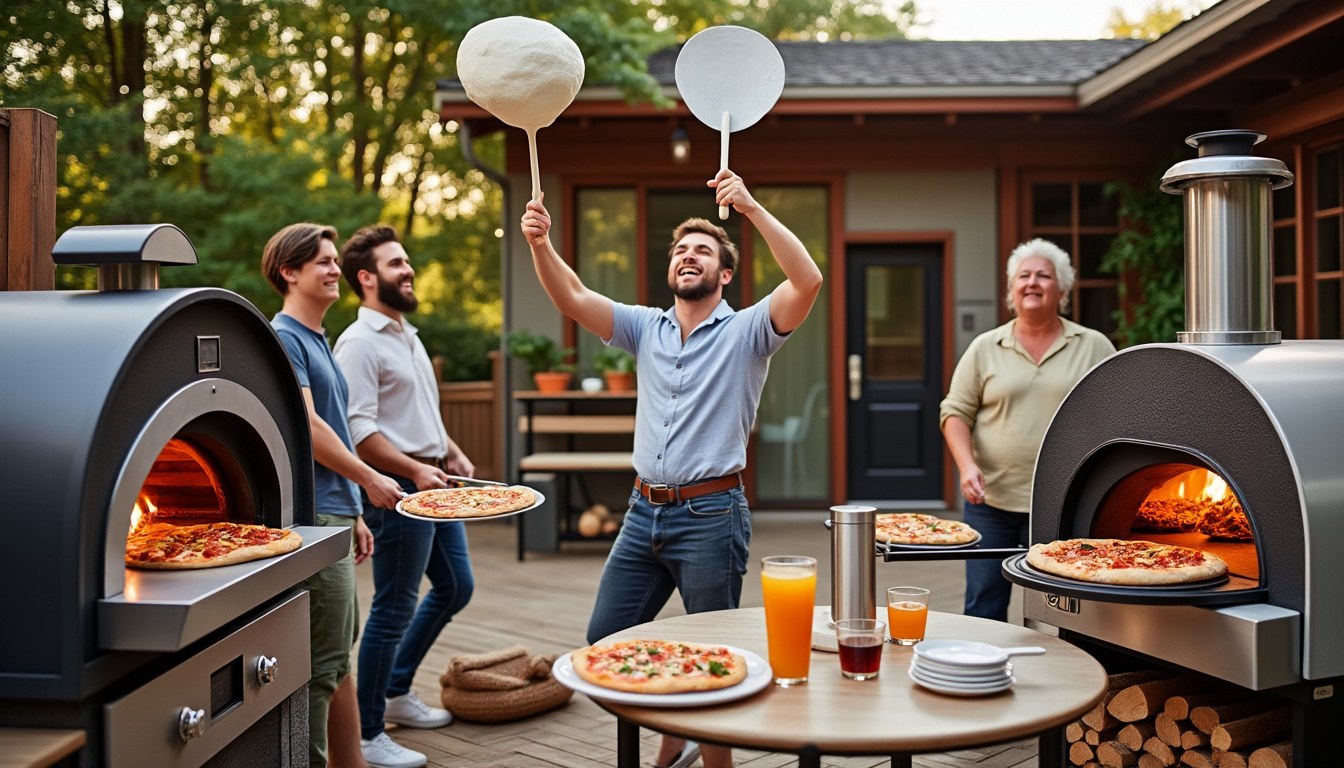
what pizza oven features should influence your buying decision?
It’s not all about heat sources; the array of pizza oven features can make or break your pizza baking journey at home. Let’s peel back the layers that define a truly professional pizza oven, and why these qualities matter beyond the specs.
size and cooking capacity
The size of the cooking surface sets the stage for your pizza party logistics. Most home ovens comfortably accommodate pizzas between 12 to 16 inches. Smaller models with a 12-inch capacity are perfectly suited for couples or small families who enjoy pie-by-pie baking. Larger ovens up to 16-inches cater to larger groups or more ambitious entertaining — allowing you to slide in bigger pies or several small ones in rotation. Don’t be fooled by a bigger model just because it looks impressive; consider your regular pizza consumption so you’re not lugging an oversized oven that spends most of its life idle.
build quality and insulation
This is the unsung hero of pizza oven performance. Good insulation keeps the floor temperature rock steady, crucial for that irresistible crispy crust and quick recovery between pies. A thick, quality cordierite stone floor is a game-changer, able to endure the thermal shock of cold dough landing without cracking. Stainless steel bodies can resist the outdoor elements better than powder-coated finishes but might run hotter on the outside — the ideal oven balances durability, weight, and heat retention. The best portable convection ovens share similar principles in airflow and heat control, so their design innovations ripple into pizza ovens too.
portability vs installation
For many home cooks, the notion of portability conjures images of tailgating or summer picnics. Ovens tipping the scale at around 20-30 pounds can genuinely travel with you, whereas those hitting 45 pounds or more feel more like a backyard fixture. Permanent installations, weighing over 100 pounds, typically find a home in custom-built outdoor kitchens — an investment and commitment. Don’t overlook the setup needs too: some ovens require professional gas hookups or specific stable surfaces to work safely. Choose wisely, considering how often you’ll move that oven versus your appetite to splurge on a dedicated outdoor pizza haven. Sometimes, a slightly weightier model with dense insulation is worth its weight in gold for consistent heat and unbeatable pizza-baking performance!
| Feature 🔥 | Lightweight Portable Ovens 🌟 | Mid-Range Durable Ovens 🔧 | Heavy-Duty Installations 🏡 |
|---|---|---|---|
| Weight (lbs) | 20-30 | 30-45 | 100+ |
| Typical Pizza Size | Up to 12 inches | 12-16 inches | 16 inches plus |
| Heat-Up Time | 10-20 mins | 20-30 mins | 30+ mins |
| Fuel Type | Gas, Pellets | Gas, Wood, Multi-fuel | Gas, Wood |
| Portability | High – Easy to carry | Medium – Needs 2 people | Low – Fixed installation |
| Typical Price Range ($) | 200-400 | 400-800 | 1000+ |
Ultimately, focusing on quality materials and thoughtfully engineered pizza oven features ensures a durable, efficient oven that keeps impressing you — batch after batch. After all, the right investment transforms every pizza night into a joyous event, not a frustration!
why oven temperature control and floor heat matter more than max heat spec
When scrolling countless product pages or scanning pizza oven reviews, the temptation to zero in on the maximum temperature rating — often hyped as a bragging right — is strong but misleading. What really governs pizza greatness is the consistent heat that your dough encounters at the floor level. This is the true heart of professional pizza ovens; the oven temperature control that maintains a stable stone surface temperature powers perfect pizza crusts.
Think about this: two ovens might both claim a max temperature around 950°F, but one with a heavy insulated stone floor keeps the stone hot at around 800-900°F under pizza load, while a thin-walled oven’s floor temp can plunge to 600°F right after a cold dough hits, leaving you with soggy, pale crusts and cranky taste buds. Floor heat capacity and rapid heat recovery are the secret sauce in turning out that coveted crispy yet chewy texture fast — often in 60 to 90 seconds for a classic Neapolitan pizza.
High-quality insulation and thick cordierite stones act as thermal batteries, soaking up the intense heat and dishing it back evenly, eliminating pesky hot spots. This allows for reliable oven temperature control even during a full pizza binge. Hungry guests or big family gatherings become simple with an oven able to make one stellar pie after another without long reheating delays.
Focus on these pizza oven features:
- 🌡 Stone Floor Temperature Stability: Steady heat under load is more crucial than peak air temperature.
- ⚡ Heat Recovery Speed: How fast the stone returns to optimal temperature after pizza launch.
- 🔥 Oven Insulation Quality: Dense, thick insulation prolongs baking efficiency and safety.
Choosing a pizza oven with great floor heat characteristics pays off every pizza night — ensuring crusts that impress friends, family, and critics alike. So next time you see a flashy “max temp” spec, dive deeper into how well that oven manages the all-important stone floor heat!
top tips for maximizing your home pizza oven experience
So you’ve finally landed your ideal best pizza oven — congrats! Now, how do you unlock its full delicious potential? Let’s sprinkle some pro tips to make every pizza baking at home session a triumph.
1️⃣ Season your stone properly: Preheat your oven thoroughly (usually 15-30 minutes) to let the stone reach an even temperature, avoiding those unpredictable cold spots that can turn dough soggy or unevenly cooked.
2️⃣ Master clean launching: Dust your pizza peel generously with flour or semolina and practice that confident flick to slide your topped creation expertly onto the stone without a hitch.
3️⃣ Rotate like a pro: Since flames often concentrate unevenly, rotating your pizza every 15-30 seconds ensures an even bake, nabbing that signature leopard-spotted crust without burnt edges.
4️⃣ Keep your tools sharp: Investing in quality accessories like a turning peel, infrared thermometer to monitor stone floor temp precisely, and a protective cover to extend your oven’s life can make a big flavor and convenience difference.
- 🍴 Use a good pizza peel for launching and turning
- 🌡 Infrared thermometer to measure exact cooking surface temp
- 🛡 Protective cover to shield your oven from weather and wear
- 🧹 Brass brush to clean stone without damage
Remember that the whole adventure is just as much about the learning curve, the aroma of bubbling cheese and crust, and the fun company you share. With a bit of practice, the pizza oven becomes less of a machine and more of a magic box that rewards passion and patience!
which professional pizza oven fits your budget and lifestyle best?
Pizza ovens come at a range of prices and features — from entry-level friendly models to high-end professional-grade beasts. Finding the sweet spot between your budget and the oven that tickles your culinary fancy is crucial.
Budget under $400? Expect to find excellent beginner models that serve up solid results, perfect for casual use or those just dipping their toes into the pizza oven world. Lightweight options like some from the Bertello Outdoor Pizza Oven series give multiple fuel choices at wallet-friendly costs.
$400-$800 sweet spot: This range offers the best balance of portability, durability, insulation, and performance. The Gozney Roccbox and Ooni Koda 16 shine here with their fantastic ability to cook consistently and heal heat retention woes.
High-end investing ($800+): When pizza baking is your passion and your oven is the star of your outdoor setup, premium models like the Gozney Dome or multi-fuel Ooni Karu 12G deliver professional pizzaiolo-grade performance and expansive cooking surfaces. Expect exceptional build quality, precision controls, and extra bells and whistles.
Fact: The largest ovens designed for commercial or permanent outdoor kitchens can cost thousands but can last decades with proper upkeep, turning pizza night into a valued lifelong ritual.
In the overall slices of pizza oven shopping, focusing on the oven’s ability to maintain floor temperature control, ease of use, and fit into your cooking rituals beats flashy marketing every time. Ready to kick off your pizza adventure or elevate your existing setup? The pizza oven you choose defines many delicious evenings, and taking the plunge is part of the fun (and funnier if you wear a chef hat!). 🎉🍕
How long does it take to cook pizza in a professional pizza oven?
True wood-fired or gas professional pizza ovens can cook authentic Neapolitan-style pizza within 60 to 90 seconds thanks to their extremely high floor temperatures often reaching 900°F or above.
Can I use a professional pizza oven indoors?
Electric pizza ovens are perfect for indoor use, safe and smokeless. Most outdoor gas or wood ovens are not designed for indoor spaces due to ventilation and safety concerns.
What maintenance does a home pizza oven require?
Regular brushing of the stone surface after cooling, wiping down exterior, emptying ash in wood ovens, and periodic inspection of gas connections maintain your oven’s longevity and performance.
Is a multi-fuel pizza oven worth the extra cost?
If you enjoy experimenting and want flexibility to switch between gas convenience and wood-fired flavor, a multi-fuel oven offers excellent versatility, although it demands extra investment and handling.
What size pizza oven is best for a small family?
A home pizza oven with a 12-inch cooking surface fits 2-4 people well, supports making individual pizzas, and typically heats up faster and consumes less fuel.
