

Welsh rarebit isn’t just your average cheesy toast—it’s a rich, savory masterpiece that’s been charming taste buds across Wales and beyond for centuries. Picture this: a thick, velvety cheese sauce, kissed with sharp mustard and a splash of ale, bubbling atop crunchy toasted bread. It’s comfort food that feels a bit fancy, a classic dish boasting robust flavors and a heritage as colorful as the Welsh hills themselves. If you’ve ever wondered how to make the ultimate melty cheese toast topping worthy of an English cuisine legend, you’re in for a treat. This recipe bridges tradition and innovation, bringing together the best of creamy cheese sauces and golden grilled bread for one unforgettable bite.
Whether you’re looking to impress guests at brunch or craving a cozy dinner, Welsh rarebit delivers a warmth and richness unmatched by ordinary cheese on toast. Dive in as we uncover this classic dish in all its glory—exploring its origins, the art of crafting the perfect cheese sauce, and some tantalizing twists to keep even the most seasoned foodies intrigued. Trust me, once you nail this recipe, it’ll become your go-to whenever melty cheese cravings strike! 🧀🔥
- 🔥 Welsh rarebit is an elevated take on cheesy toast with a savory cheese sauce crowned over toast.
- 🍺 The classic recipe mixes sharp cheddar with ale or stout, mustard, and Worcestershire sauce for a rich, tangy bite.
- 🍞 Toast plays a crucial role—thick slices with a crunchy crust create the perfect base for the melty topping.
- 🥄 Variations include additions like bacon, laverbread, or even nduja for creative flavor bursts.
- 👩🍳 This dish had humble origins but now enjoys a dedicated national day every September 3rd!
What makes Welsh rarebit more than just cheese on toast?
First things first: Welsh rarebit is not just cheese casually slapped on bread. It’s a sophisticated, luscious cheese sauce—smooth, tangy, and deeply flavorful—that transforms basic toast into something downright celebratory. The magic’s in the ingredients and the technique. The hallmark is melted sharp cheddar cheese enlivened by the zing of English mustard and the robust character of ale or beer. Butter smooths the edges, while Worcestershire sauce adds rich umami depth.
Unlike a plain grilled cheese, the sauce is stirred into a creamy mixture before being spooned generously over toast and placed back under the grill until gloriously bubbly and golden brown. The result is a crispy yet melty toast topping with complex layers of flavor that make Welsh rarebit a true classic dish in English cuisine.
Every mouthful offers a harmony of sharpness, spiciness, and a hint of malt sweetness from the ale, combined with the earthy savor of the toasted bread. It’s comfort food elevated into a sophisticated celebration of cheese, perfect for any time of day.
Experimenting with mustards can really shift the flavor — some swear by the punch of Dijon mustard, others swear by wholegrain for texture. The choice of ale or beer also makes a big difference, adding anything from a smoky bitterness to a sweet, malty undertone. Plus, the texture matters too: too much heat and the sauce can turn rubbery, so getting the fat content right with butter or even a splash of cream is a game-changer.
The artistry of Welsh rarebit lies in balancing these elements. It’s not just about how to make cheese melt; it’s about coaxing the perfect velvety sauce that clings to every nook of the toasted bread. Think of it as a dance between gooey, crispy, sharp, and creamy. And that’s why, even in 2026, this dish remains a cherished staple—preserving tradition while inviting modern twists.
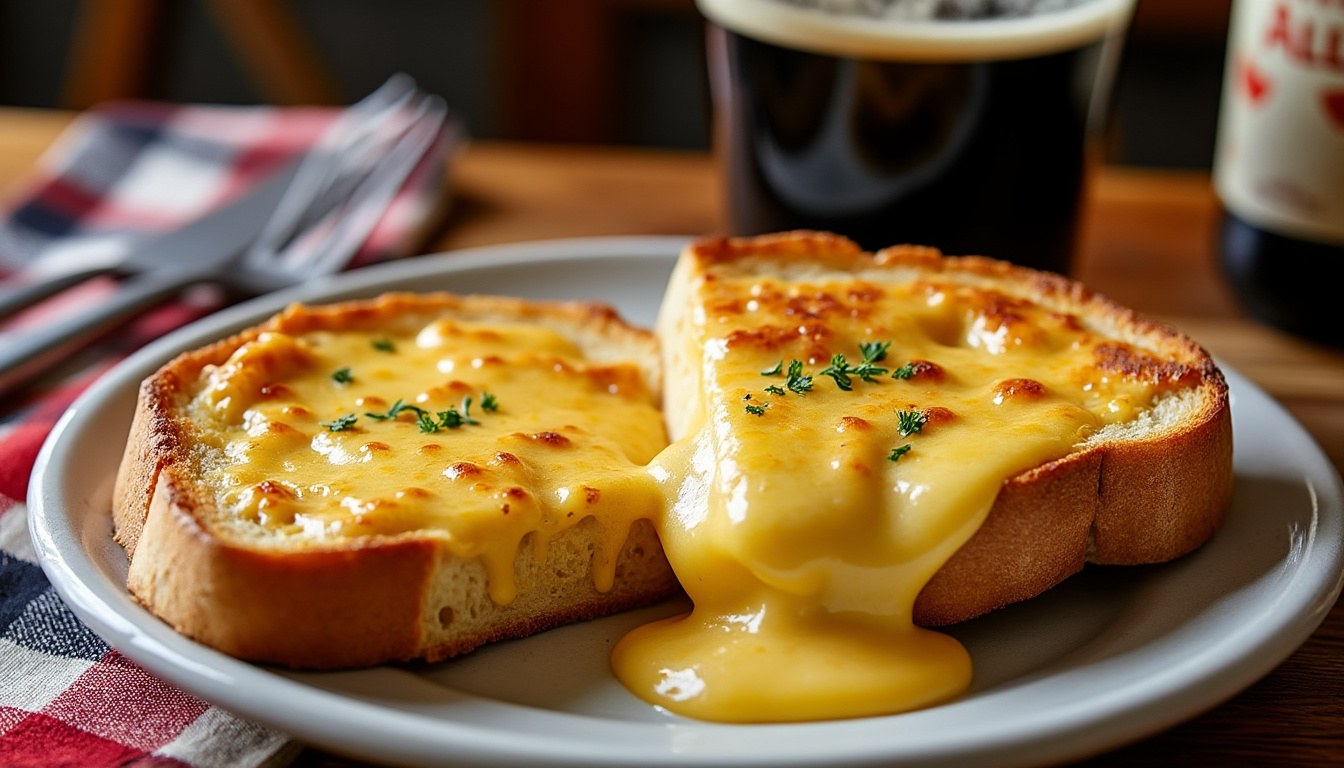
How to perfect your Welsh rarebit cheese sauce
Breaking down the cheese sauce is where the magic happens. The best Welsh rarebit sauce is a smooth, glossy blend that’s rich but not greasy, full-flavored but perfectly balanced. Here’s the key rundown:
- 🧈 Start with good-quality butter. Melt it gently—it’s the base that keeps the sauce luscious.
- 🧀 Use sharp cheddar or traditional Welsh cheeses like Caerphilly or Hafod for authenticity. Grate it finely for quick melting.
- 🍺 Add ale, beer, or stout. This adds depth; Guinness or a robust ale works wonders. Don’t like alcohol? Milk or pressed apple juice can stand in without compromising taste.
- 🌶️ Whisk in mustard and Worcestershire sauce to provide that iconic tang and umami kick. Experiment with English mustard powder, Dijon, or wholegrain for texture.
- 🥛 Optional cream or eggs can be added for extra silkiness and to keep the cheese from turning rubbery.
Whisking constantly prevents the cheese from clumping and keeps that lip-smacking smoothness going. Once the sauce is dreamy and thick enough to coat a spoon, it’s ready to meet the toast. Spreading it generously over warm, lightly toasted bread ensures that every bite is rich and satisfying. Then, it’s straight under the grill until the surface is bubbling and browned just right — golden and irresistible.
Getting these steps right demands some patience and a keen eye on texture. If the sauce cools too much, it’ll stiffen unevenly, so timing is everything. Believe me, the moment the toast emerges from under the grill, smelling like pure, cheesy bliss, the wait is 100% worth it. There’s nothing quite like that first bite of gooey, tangy cheese balanced by the crisp, buttery toast underneath.
For those looking to dive deeper, there’s fun to be had adjusting the sauce with different flavor combos—adding a pinch of nutmeg, or a splash of Worcestershire for more bite. I’ve even seen cooks swap out butter for double cream or toss in a beaten egg for an ultra-creamy texture that’s almost decadent. It’s all about making the dish your own while holding onto the soul of this traditional Welsh favorite.
Welsh rarebit variations to level up the classic cheesy toast
While nothing beats the authentic Welsh rarebit experience, experimenting with toppings and add-ins spices up this classic dish and keeps it fresh. The base cheese sauce remains, but the ways you can jazz it up are seemingly endless. Here are some standout variations that will have you dreaming beyond the usual cheese on toast:
- 🥓 Welsh rarebit with crispy bacon – Adding rashers of smoky, thinly sliced bacon before grilling packs a fantastic savory punch and perfect crunch. Many Welsh cafes list this as a bestseller!
- 🌿 Welsh rarebit with laverbread – Known as “Welshman’s caviar,” laverbread is a seaweed delicacy that adds a salty, umami twist when spread under the cheese sauce. It’s a nod to true Welsh coastal flavors.
- 🌶️ Welsh rarebit with nduja – Peppery, spicy, spreadable Italian sausage? Yes, please! Some modern chefs love sprinkling nduja chunks over the cheesy sauce before broiling for a fiery kick that plays beautifully with the creamy cheese.
- 🧅 Welsh rarebit with caramelized onions or leeks – Both bring sweetness and depth that contrast perfectly with the sharp cheese sauce, especially on St. David’s Day when leeks are a Welsh symbol.
- 🍖 Welsh rarebit with ham hock – For a richer take, pairing rarebit with tender ham hock and a tangy chutney creates layers of flavor that make for a hearty main dish.
Each variation respects the soul of the original but opens a world of possibilities to elevate your cheesy toast game to next-level indulgence. The balance of textures and tastes, from crunchy toast to creamy cheese and anything meaty or salty you add, makes every bite a delightful surprise.
Why is Welsh rarebit a beloved part of English cuisine and culture?
Welsh rarebit’s story is as rich as its flavor. The dish originated in 16th-century Wales as an affordable, satisfying meal for working-class families who couldn’t always access meat; in fact, it was affectionately called “Welsh rabbit” as a tongue-in-cheek substitution for the real thing. Early literary mentions from the 1700s cemented its place in British food history, reflecting the humble roots that would blossom into a classic dish admired by food lovers everywhere.
Fast forward to today, Welsh rarebit enjoys a special spot as both a nostalgic comfort food and a trendy pub favorite. It’s celebrated every year on Welsh Rarebit Day, September 3rd, keeping the tradition alive with enthusiasm. The dish exemplifies how simple ingredients can transform into something deeply satisfying, feeding the soul as much as the belly.
Its enduring appeal isn’t just nostalgia. Welsh rarebit’s versatility makes it perfect for brunch, a quick hearty lunch, or as a cozy dinner when paired with crisp salads and tangy chutneys. Plus, foodies continue to innovate, incorporating local Welsh cheeses or switching ale types to play with the flavor spectrum—proving this cheesy toast classic is far from static.
In 2026, with culinary trends embracing heritage recipes and comfort meals, Welsh rarebit sits comfortably at the intersection of both. It’s a dish that honors history while inviting modern twists, embodying warmth, indulgence, and authenticity in every bite.
tips for making the ultimate Welsh rarebit at home
Mastering Welsh rarebit is about more than just tossing cheese on toast; it’s the method and mindset that bring the classic to life with all its melty cheese glory. Here are some top tips to ensure your cheesy toast topping turns out perfect every time:
- 🧀 Use freshly grated, high-quality cheese for the best melt and flavor. Pre-grated cheese often lacks smoothness.
- 🥄 Stir constantly when melting cheese sauce to prevent clumps and ensure a creamy texture.
- 🍞 Don’t skimp on thick, hearty bread slices — sourdough or a good white loaf works wonders for holding the sauce.
- 🔥 Keep a close eye under the grill; Welsh rarebit can move from bubbling perfect to burnt real quick!
- 🌟 Experiment with mustard types and ales to tailor the sauce’s punch to your palate.
- 🥗 Serve alongside a crisp green salad or tangy chutney for a balanced meal that cuts through the richness.
| Ingredient 🍴 | Typical amount | Purpose in recipe 🧑🍳 |
|---|---|---|
| Sharp cheddar cheese 🧀 | 250g | Primary melty cheese with sharpness and flavor depth |
| Ale or beer 🍺 | 70ml | Adds complexity and tang to the cheese sauce |
| Unsalted butter 🧈 | 20g | Creates a smooth, rich base for the sauce |
| Worcestershire sauce 🥄 | 1.5 tbsp | Boosts umami and makes the sauce more savory |
| English mustard or powder 🌿 | 1 tbsp | Provides heat and sharpness to flavor the sauce |
| Thick bread slices 🍞 | 4 | Foundation for toast topping, must be sturdy |
Why is Welsh rarebit sometimes called Welsh rabbit?
The name ‘Welsh rabbit’ originated in the 1500s when Welsh families made this cheesy dish as an affordable meat substitute. Over time, it evolved to ‘Welsh rarebit’ to sound less like a poor man’s meal.
Can I make Welsh rarebit without alcohol?
Yes! Substitute ale or beer with milk or pressed apple juice for a delicious non-alcoholic alternative that still keeps the sauce rich and flavorful.
What cheese works best for Welsh rarebit?
Sharp cheddar is traditional, but Welsh cheeses like Caerphilly or Hafod add authentic creaminess and mildness. Experiment to find your favorite!
Is Welsh rarebit suitable for vegans?
Absolutely. Use vegan cheese, vegan butter substitutes, and vegan Worcestershire sauce to create a dairy-free version of this classic comfort food.
When is the best time to eat Welsh rarebit?
Welsh rarebit is enjoyed all year round but is especially popular on St. David’s Day (March 1st) and its own dedicated Welsh Rarebit Day on September 3rd.
In the overall, Welsh rarebit offers more than just cheesy toast—it provides a rich cultural experience wrapped in melty cheese goodness! Thanks a ton for reading along 🍽️💕. Here’s hoping your kitchen fills with the wonderful aromas of bubbling cheddar and grilled toast very soon. Remember: cheese makes everything better! 🧀😄
