

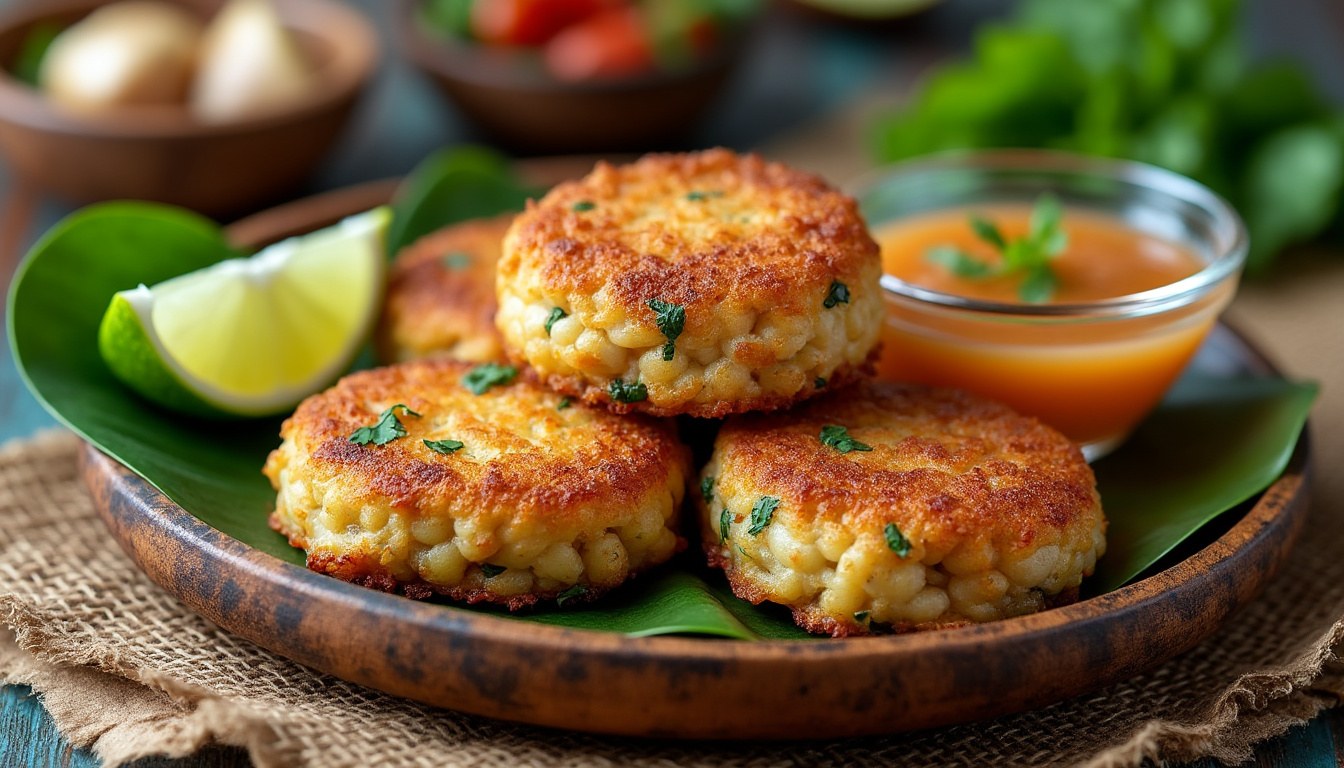
Dive into the vibrant world of Thai fish cakes, a beloved gem of Thai street food and a must-try for fans of spicy seafood delights. These crispy, springy seafood bites loaded with aromatic red curry punch are the perfect way to bring a bit of authentic Thailand straight into your kitchen. Whether craving a zesty appetizer for a gathering or a flavorful snack to spice up your weeknight meals, this recipe hits all the notes. With fresh fish, fragrant curry paste, crisp green beans, and a tangy peanut cucumber dipping sauce, these cakes have won over palates globally — so why not join the craze?
Discover the secrets behind making authentic homemade Thai food that bursts with flavor yet is approachable for home cooks. No special trips to distant markets or hours spent pounding fish paste—just a food processor, fresh ingredients, and a passion for bold tastes. Ready to get your hands a little fishy? Let’s explore how those golden patties achieve their vibrant flavor and texture, what key ingredients you absolutely can’t skip, and clever tweaks for those wanting to temper the spice.
Even if you’ve never cooked Thai cuisine before, tackling this somewhat legendary snack is surprisingly rewarding. Soon you’ll be impressing friends with spicy snacks that taste like they came from bustling Bangkok hawker stalls. And trust me, once you master these, your next gathering will turn into an authentic Thai night that everyone raves about!
Here’s a quick heads-up on why these cakes are so special:
- ✅ The secret springy texture comes from whipping egg whites into fresh fish paste, a trick adapted from traditional pounding methods.
- ✅ Red curry paste infuses the cakes with warm, aromatic heat balanced perfectly by a sweet and tangy dipping sauce.
- ✅ Fresh thinly sliced green beans add a surprising crunch and vibrant color inside each bite.
- ✅ You can adjust spice levels easily, so they’re perfect for both bold flavor lovers and kids or spice-shy eaters.
- ✅ They fry up golden crisp but are tender inside — a delightful contrast that makes every bite addictive.
what makes thai fish cakes uniquely delicious and authentic?
The enchanting charm of Thai fish cakes, or “Tod Mun Pla” as locals call them, lies in their distinctive texture and bold flavor profile wrapped in every bite. Unlike typical fish cakes around the world, which tend to be dense or crumbly, the Thai versions have an almost springy chew that’s downright addicting. This doesn’t happen by accident — it’s the result of soaking fish protein with air. Traditionally, vendors pound the fish paste against boards with wooden sticks for a solid 30 minutes. This arduous pounding is what aerates the fish and gives those street-side cakes their famous bounce when you bite in.
Fast forward to home kitchens in 2026, and a food processor with some whipped egg whites is the modern shortcut that delivers the same effect. This approach is a lifesaver for digital marketers and busy cooks alike — no pounding required but all the technique and love packed into that magical texture! Egg whites whip air directly into the fish paste creating a light yet cohesive bite that holds together perfectly during frying.
Flavor-wise, these cakes are a symphony of Thai staples: red curry paste full of chili, lemongrass, and aromatic spices provides vibrant heat and complexity. The addition of fish sauce and sugar amps up umami and a subtle sweetness, crafting a taste that’s greater than the sum of its ingredients. Then the crunchy green beans folded in offer not just texture but a pop of fresh color that makes these seafood bites truly pop. When these components come together, it’s clear why foodies heap raves and locals clutch their favorite street stall’s recipe closely.
One interesting tidbit for 2026 food enthusiasts: many chefs now experiment with catfish for its higher fat content, which offers richer flavor and a softer tenderness in the cakes compared to leaner fish like cod or tilapia. This little tweak has been a game changer for at-home cooks who want restaurant-quality results without wandering too far from local markets.
Another cool fact: Thai fish cakes rank among the most popular appetizer recipes served internationally at Thai restaurants, from busy US cities to Europe, making it a true ambassador of Thai cuisine. This shows the global appeal of these spicy seafood bites — a small dish with huge personality.
what are the essential fish cake ingredients to get that true thai flavor?
Nailing the authentic flavor and texture starts with the right fish cake ingredients. The magic lies in balancing quality seafood, fragrant herbs, and seasoning that spark the explosions of flavor from the first bite till the last. Here’s a breakdown of what you need (and why):
- 🐟 Fresh white fish fillets – Catfish is top pick for its fattier texture, but cod, sea bass, tilapia, or flounder also work. Freshness matters most — frozen okay if thawed correctly overnight to maintain moisture.
- 🌶️ Red curry paste – This packs heat and authentic Thai spice, loaded with dried chilies, lemongrass, garlic, and galangal. Go for brands like Maesri or Mae Ploy available in Asian markets for the closest homemade taste.
- 🥚 Egg whites – Whipped into the paste, giving that bouncy, sticky texture — the hallmark of true Thai fish cakes.
- 🧂 Fish sauce and sugar – Seasoning from inside the paste to round out savory and sweet notes. If you’re avoiding fish sauce, soy sauce makes a fine substitute with a different but still delicious taste.
- 🥒 Thinly sliced green beans or Chinese long beans – Adds delightful crunch and tiny bursts of green that brighten each bite.
- 🛢️ Vegetable oil for frying – Use enough for shallow frying in a small deep pot. This ensures an even golden crust that’s satisfyingly crispy.
- 🍋 Dipping sauce ingredients – Thai sweet chili sauce, chopped cucumber, roasted peanuts, fresh cilantro, and a splash of fish sauce combine for a sweet, tangy, nutty dip that makes these cakes sing.
Each component plays an irreplaceable role. Without red curry paste, there’s no fiery depth. Skip the egg whites, and you’d lose that spring in the texture. And forget the green beans — well, your mouth will miss out on a crucial crunch contrast sensation that makes these seafood bites pop beyond the norm.
ingredient substitution chart for beginners and adventurers
| Ingredient | Traditional Option | Substitution & Tips | Effect on Flavor/Texture |
|---|---|---|---|
| White fish fillets | Catfish | Cod, sea bass, tilapia, flounder | Fatty fish like catfish = richer, tender; leaner fish = firmer texture |
| Fish sauce | Standard Thai fish sauce | Soy sauce (for less fishy aroma) | Soy adds umami but less pungent; still delicious |
| Green beans | Thinly sliced green beans or Chinese long beans | Chopped scallions or skip for smooth texture | Less crunch, less color but acceptable |
| Frying oil | Vegetable oil, deep pot | Nonstick skillet with less oil, pan frying | Less crispy crust; quicker cleanup |
how to make thai fish cakes step by step for perfect results
Creating these crispy, spicy seafood bites might seem daunting, but it’s actually a fun and rewarding process with great payoff. Here’s a detailed walkthrough for success in your own kitchen:
- Build the fish paste: Start by cubing the freshest white fish fillets and tossing them into a food processor with red curry paste, egg whites, fish sauce, and sugar. Pulse a few times then blitz for a couple of minutes until the paste thickens, turns sticky, and springs back when poked. This bounce means it’s aerated properly — the secret to that legendary texture.
- Mix in green beans: Transfer paste to a bowl and gently fold in the thinly sliced green beans. Be delicate here to keep air whipped in, avoiding over-mixing which can deflate the mixture.
- Heat up the oil: Pour about half an inch of vegetable oil in a small, deep pot over medium heat. Test for readiness by dropping a pinch of paste in — it should sizzle immediately and float.
- Shape and fry: Using a cookie scoop and a pair of spatulas coated with oil, scoop out 2-tablespoon balls of paste. Flatten each into discs about ¼ inch thick and slide carefully into the hot oil—work in batches for golden results. Fry each side about 30 to 40 seconds until golden brown and crispy.
- Drain and check: Remove the cakes with a slotted spoon onto paper towels or a wire rack. A toothpick poke will show if cooked (clean comes out and cake springs back). Super important for that perfect bite!
- Prepare the dipping sauce: Whisk together Thai sweet chili sauce, chopped cucumber, crushed roasted peanuts, fresh cilantro, and a splash of fish sauce right before serving to keep the cucumber crunchy.
- Serve hot: Stack these beauties on a plate with lime wedges and that killer dipping sauce. They’re best enjoyed within 10 minutes of frying for max crispiness and flavor pop.
Many enthusiasts find that investing in a small deep pot dedicated to frying these cakes makes all the difference. This approach heats oil efficiently and accommodates batches without overcrowding, ensuring even cooking.
how to serve thai fish cakes for maximum flavor and fun
The magic of these spicy seafood bites continues when plating and serving them. These cakes aren’t just tasty snacks; they’re an experience full of textures and flavors that you want to celebrate at any meal.
Here are some fun and traditional ways to serve them:
- 🍽️ Serve as an appetizer for Thai-themed dinners alongside fresh herbs and lime wedges. Guests love grabbing them pairwise with chopsticks.
- 🍚 Place on jasmine rice or sticky rice for a quick lunch or dinner that’s light but satisfying.
- 🍜 Top a bowl of drunken noodles or Thai pineapple fried rice with a few fish cakes for added protein and crunch.
- 🧆 Include the cucumber peanut dipping sauce as a centerpiece—its sweet heat amps the cakes perfectly.
It’s worth noting these cakes shine brightest fresh off the fryer. While leftovers keep well in the fridge for a couple of days or frozen up to 3 months, reheating by pan-frying crisp quickly revives their signature crust. This trick saved many a dinner party from sogginess catastrophe!
common challenges and expert tips to nail the perfect thai fish cakes
Even though the recipe looks straightforward, some pitfalls can make or break your experience. Here’s some real talk based on kitchen trials and errors from passionate home cooks and street vendors alike:
- 🔥 Paste too crumbly or dry? – The culprit is usually under-processed fish paste. The solution: give the food processor a full two minutes and test the paste by pressing with a spoon—it should spring back, not slump.
- 🥚 Refrigerating uncooked paste? – Big no-no! It turns tough and grainy. Best to fry them the same day you make the paste or freeze the cooked cakes for later enjoyment.
- 🕑 Fly-by frying temperature – Keep an eye on the oil temperature; if cakes brown too fast, turn down your heat. If they’re slow to crisp, go slightly higher. Small changes make a big difference for golden, tender cakes.
- 🍴 Messy shaping? – Use a cookie scoop for perfect uniform balls and oil-coated spatulas to flatten without sticking. Hands might tempt you but they’re just messy and tricky.
- 🌶️ Want less spice for kids or sensitive tongues? – Halve the amount of red curry paste and focus on the dipping sauce’s mild sweetness instead. It still delivers satisfying flavor.
Mastering these handy tips will turn you from curious cook to Thai fish cake pro in no time. Your friends will be begging for the recipe, and who can blame them with these addictive little bites!
| Common Issue 🎯 | What Went Wrong 🤔 | Quick Fix 🛠️ |
|---|---|---|
| Crumbly fish cakes | Paste under-processed; lacks air | Run food processor longer; add extra egg whites if needed |
| Tough texture after refrigeration | Uncooked paste left overnight | Fry same day or freeze cooked cakes |
| Frying causes burning outside, raw inside | Oil temperature too high or low | Adjust heat between batches; test oil temp with paste pinch |
| Sticky shaping process | Too much handling by hand | Use cookie scoop and oiled spatula |
Mastering Thai fish cakes is as much about attention to detail as it is about passion in the kitchen. In busy 2026 lifestyles, quick & flavorful appetizer recipes like this not only save the day but also put smiles on faces around the table.
how to preserve and store thai fish cakes for later enjoyment?
After that fantastic cooking session, you might wonder: what’s the best way to keep these irresistible seafood bites fresh? Here’s the lowdown on storage and reheating so nothing goes to waste:
- ❄️ Freezing: Cooked fish cakes freeze beautifully for up to three months. Freeze them flat on a tray before transferring to a sealed bag to prevent sticking together.
- 🥶 Refrigeration: Store cooked cakes in an airtight container and enjoy within 2 days for best freshness and flavor.
- ♨️ Reheating: Avoid the microwave if you want crispness! Reheat gently in a nonstick skillet over medium heat for about 2 minutes per side to bring back that irresistible crunch.
- 🚫 Don’t refrigerate uncooked paste: It thickens and loses bounce, so prepare and cook same day or freeze after cooking.
This simple care routine means you can have authentic Thai street food vibes anytime without re-cooking from scratch! Perfect for batch cooking and impressing guests on a whim.
My fish cakes came out crumbly, what went wrong?
This usually means your fish paste wasn’t processed enough. Make sure to run the food processor for the full 2 minutes until the paste is smooth, sticky, and springs back when poked. Adding an extra egg white can help aerate the paste too.
Can I make these less spicy for children?
Absolutely! Just reduce the red curry paste by half to lower the heat, and rely on the sweet chili dipping sauce for flavor. The cakes will still be delicious and kid-friendly.
How do I store leftover fish cakes?
Cooked cakes keep in the fridge up to 2 days or freeze up to 3 months. Reheat them in a skillet to preserve the crispy crust—avoid microwaving which can make them rubbery.
What fish is best for Thai fish cakes?
Catfish is great for its higher fat content resulting in tender cakes, but any fresh white fish like cod, sea bass, or tilapia works well too.
Can I skip green beans in the recipe?
You can, but green beans add wonderful crunch and color that enhance the overall texture experience, making the cakes more interesting to bite into.
In the end, these golden-brown, fragrant, spicy seafood bites are more than just food; they’re a journey into the heart of Thai cuisine. They bring together balance, heat, texture, and fresh ingredients in a simple dish that delivers unforgettable flavor. For curious cooks and seasoned pros alike, mastering this authentic recipe is a spicy nugget of joy worth pursuing.
Thanks a bunch for sticking around to explore this recipe! May your kitchen smell amazing and your appetite never falter. Don’t forget: cooking is love served on a plate—and Thai fish cakes spread that love in every bite. 🌶️🐟🍽️
