

Baking a Swiss roll might look like a daunting task, but trust me, it’s a total crowd-pleaser once you get the hang of it. This classic dessert combines the airy softness of a sponge cake with luscious fillings, rolled into a stunning spiral that screams homemade charm. And when it’s a fat-free sponge, well, that’s a win for those who want to indulge without the guilt. From families eager to impress dessert guests to health-conscious bakers craving a low-calorie treat, this Swiss roll recipe offers a rewarding balance between simplicity and elegance. It’s about mastering the art of baking a light, tender sponge and nailing that flawless roll without a single crack—sounds challenging, right? But with the right technique, a pinch of patience, and a bit of confidence, this cake can steal the show every time. Whether adorned with fresh berries, jam, or whipped cream, each slice reveals a mesmerizing swirl that’s as pleasing to the eye as it is to the palate. In 2026, homemade desserts are making a major comeback, and this recipe fits perfectly into the trend of healthy baking that doesn’t compromise on flavor or style.
Here’s the best part: it all starts with a simple, fat-free sponge—yes, no butter or oil fouling up the works! This sponge relies on the magic of well-whipped eggs to create lightness, producing a tender crumb that’s surprisingly versatile. Plus, it bakes fast—just around 10-12 minutes—which is a dream for those evenings when you need a dessert stat. And rolling? The secret lies in handling the sponge while it’s still warm and flexible, training it to curve gently without cracking. Beyond the baking tips, the Swiss roll offers a palate playground: from fruity jams and zesty curds to rich creams and playful chocolate ganache, the options for filling are endless. If you thought a delicate and impressive dessert required hours in the kitchen or expensive ingredients, this recipe will thoroughly change your mind. But before diving into flour and eggs, let’s break down what exactly a Swiss roll is and why everyone loves this swirly delight.
what exactly is a swiss roll and why is it so beloved?
At first glance, a Swiss roll might seem like just another cake. But look closer, and you uncover the charm of its simplicity—a thin, spongy cake baked in a sheet, then spread with your favorite filling and rolled up snug into a spiral shape. The magic unfolds when you slice into it and reveal those perfect, swirly rings of cake and filling. It’s also called a jelly roll or cream roll, depending on the filling you choose, but the essentials remain the same.
Here’s the real kicker: despite the name, Swiss rolls are not originally Swiss! Their origins trace back to Central Europe, and they became super popular in Britain during the early 1900s. Since then, they’ve captured hearts worldwide, from the classic British teatime versions filled with jam and cream to the rich chocolate variations favored in America, and even to the matcha-flavored rolls popular in Asia.
The sponge itself is a delicate dance between eggs, sugar, and flour—no butter or oil needed, making it naturally low-calorie and fat-free. Instead of relying on fats for texture, the fluffy structure comes from beating air into the eggs, resulting in a cake that’s light as air and melts effortlessly. It’s a canvas for flavors, so you can flavor the sponge with vanilla, lemon zest, cocoa, or even spices.
One of the reasons it’s become such a beloved dessert is its versatility. You can go ultra-classic with strawberry jam or ramp it up with fresh fruits and whipped cream, or even dazzle guests with chocolate ganache or lemon curd blends. The dessert serves beautifully sliced, making it perfect for parties and afternoon teas alike.
In a nutshell, the Swiss roll is a celebration of light, elegant baking that feels fancy but is totally doable by home bakers. It’s that sweet mix of nostalgia, flair, and straightforward technique—qualities that make it a persistent favorite at family gatherings and social occasions.
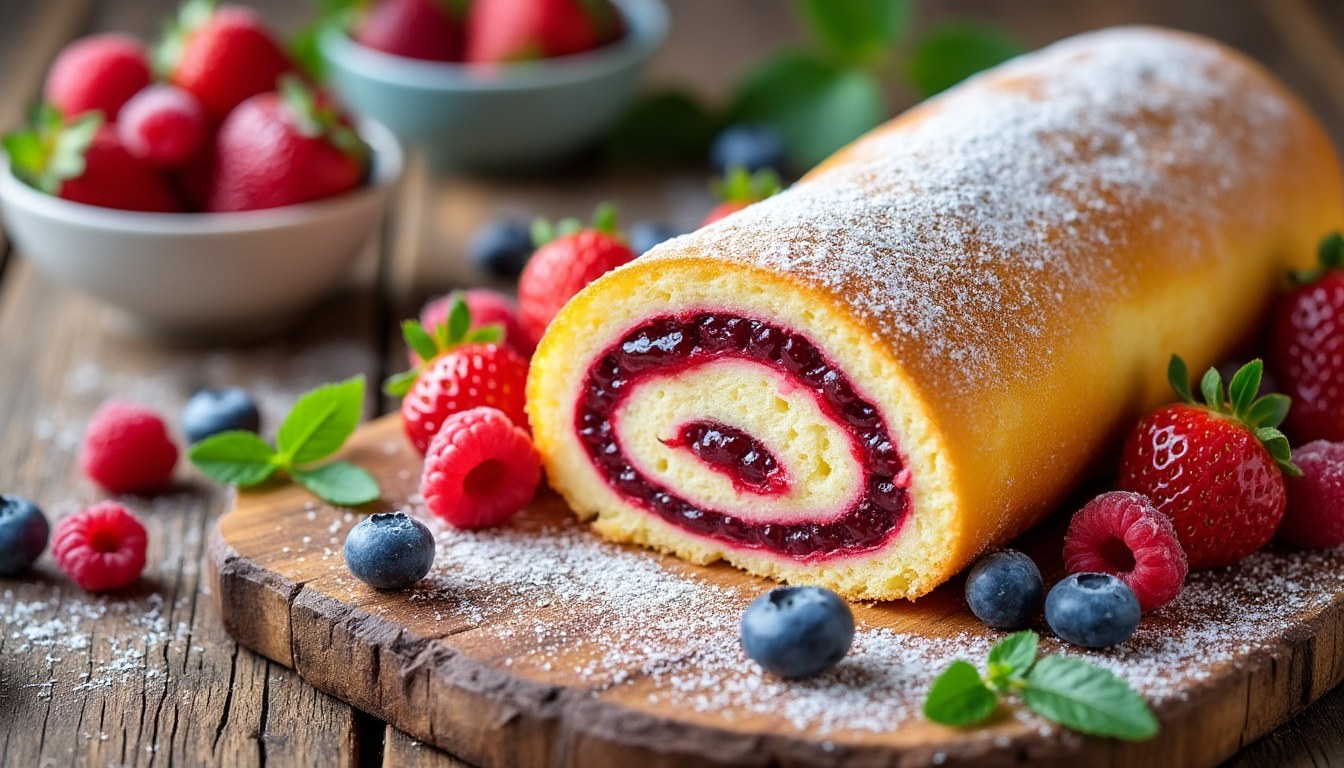
how to bake the perfect fat-free sponge for swiss roll
Baking a perfect fat-free sponge is the backbone of this Swiss roll recipe. It’s where many get stuck—the sponge must be soft, airy, AND pliable enough to roll up without breaking. The trick? Whipping those eggs just right and folding in flour gently to keep as much air as possible inside.
Here’s a pro tip: room temperature eggs whip up way better than cold ones. They trap more air, helping the sponge to rise beautifully. Start by beating your eggs and sugar together at high speed until the mixture triples in volume and turns pale and thick enough to leave a ribbon trail when the beaters lift.
Next, carefully sift your flour—and if you want to make things extra foolproof, add a touch of baking powder or salt to balance the mix. When folding the flour into your egg mixture, use a spatula and gentle folding motions rather than aggressive stirring. Think of it as coaxing the batter, not shaking it up! This helps maintain the sponge’s pillowy texture.
Make sure to spread the batter evenly into a lined jelly roll pan (ideally 10×15 inches for that perfect thickness). Baking time is short—just 10-12 mins at 375°F (190°C). Set your timer and keep a close eye because overbaking is the number one enemy. Once the sponge looks golden and springs back when lightly pressed, it’s ready. Remove it quickly to dodge dryness.
While it bakes, prepare a baking towel dusted with powdered sugar. This tiny step stops the sponge from sticking when you roll it up, preventing pesky tears down the line. Don’t skip this, or you’ll risk having a cracked roll with sad gaps!
list of essentials for the perfect fat-free sponge 🧁✨
- Room temperature eggs (makes all the difference!) 🥚
- Fine granulated sugar for sweetness and structure 🍚
- Sifted all-purpose flour for even texture 🌾
- Light dusting of baking powder to aid rising (optional) 🧂
- Vanilla extract or lemon zest for that fragrant kick 🎂
- Proper jelly roll pan to ensure the right thickness 🍰
- Generous sprinkle of powdered sugar on towel to avoid sticking ❄️
Failing to get any of these right spells doom—whether it’s a cracked cake, tough texture, or a roll that refuses to look graceful. But nail them all, and you’re halfway to a show-stopper dessert!
foolproof tips to roll your swiss roll without cracks
Now, the moment of truth: rolling up that cake without cracking it can feel like performing a delicate magic trick. Many folks freeze mid-step, afraid the whole thing will shatter. But here’s a secret from the pros—it’s all about timing and technique.
The golden rule is to roll the cake while it’s still warm and flexible. As soon as you flip the sponge onto the sugared towel, start rolling it from the short edge—*towel and all*. This shapes the sponge into the characteristic roll and teaches it to curve without resistance. Let it rest rolled up for about 30 minutes to fully cool. Cooling in this position prevents cracks later.
When the sponge has cooled, carefully unroll it and spread your filling evenly but gently. Cold, stiff creams can tear the sponge, so make sure your filling is spreadable and at the right temperature—soft but not runny. Then re-roll the cake *without* the towel, finishing seam side down for a neat presentation.
Avoid rushing this step. Patience here means tight, clean spirals instead of cracked, sad slices.
common mistakes to dodge when rolling your swiss roll 🚫
- Waiting for the cake to cool completely before rolling (it’ll crack!) ❄️
- Rolling too loosely or too tightly (affects shape and integrity) 🤏
- Skipping the powdered sugar on the towel (sticky sponge disaster) ❌
- Spreading heavy, cold filling full of stiff lumps (tears sponge) 🥶
- Slicing before chilling the filled roll (messy, smashed pieces) ⚔️
Remember, this cake is a delicate performer. Treat it gently and with respect to achieve those Instagram-worthy spirals!
creative and healthy filling ideas for your swiss roll
The beauty of a Swiss roll is the blank canvas the fat-free sponge offers. Whether you’re looking for traditional flavors or want to jazz things up with healthy twists, the possibilities are endless.
Here are some crowd-pleasers that work perfectly with this sponge:
- Classic raspberry or strawberry jam 🍓🫐 – easy, sweet, and nostalgic.
- Whipped cream with fresh berries 🥥🍓 – airy and lightly indulgent.
- Lemon curd mixed with soft cream cheese 🍋 – tangy, refreshing, a zesty kick.
- Mascarpone and chocolate ganache 🍫 – richness without overbearing fat thanks to the light sponge.
- Matcha whipped cream 🫖🍵 – earthy, unique, and elegant.
Want to keep the dessert on the healthier side but still delightful? Try low-fat yogurt-based fillings sweetened with honey and topped with seasonal fruits. This keeps the dessert light and perfect for those watching calories but craving flavor.
Don’t forget presentation! A dusting of powdered sugar, a scatter of fresh fruit, or a drizzle of homemade berry coulis turns the humble Swiss roll into a dessert fit for a restaurant.
| Filling Type 🍰 | Calories per serving 🔥 | Flavor Profile 🌈 | Best Pairing 🥂 |
|---|---|---|---|
| Jam (raspberry/strawberry) | ~80 | Sweet, fruity | Tea or coffee ☕ |
| Whipped cream & berries | ~150 | Light, creamy | Berry coulis 🍓 |
| Lemon curd & cream cheese | ~120 | Tangy, rich | Sparkling water 🍋 |
| Chocolate ganache | ~200 | Rich, decadent | Black coffee ☕ |
| Matcha whipped cream | ~130 | Earthy, subtle | Green tea 🍵 |
best tips for storing and serving your homemade swiss roll
Once your masterpiece is rolled, filled, and chilled—what next? Storage and presentation play a key role in keeping your Swiss roll fresh and tasty, and making it the star of your table.
Refrigerate the filled roll tightly wrapped in plastic wrap for up to 3 days. The chilling not only preserves freshness but firms up the filling so your slices hold shape beautifully. An important note: avoid freezing Swiss rolls filled with whipped cream as it can turn watery and lose that fluffy texture. Buttercream fillings fare better if frozen.
If freezing is a must, freeze the unfilled rolled sponge wrapped in cling film for up to one month. Thaw it overnight then fill and re-roll fresh for best results.
When serving, bring the roll to cool room temperature for about 30 minutes so the sponge regains its moist tenderness and the flavors open up. Pair with a hot cup of tea or black coffee to balance the dessert’s sweetness perfectly.
For a gorgeous display, dust the top with powdered sugar, sprinkle fresh berries around the plate, or drizzle a light chocolate or caramel sauce. Adding a scoop of vanilla ice cream transforms the treat into a decadent summer dessert on warm days.
Here’s a quick checklist for storing and serving your Swiss roll like a pro:
- Wrap tightly in plastic wrap 🍃 before refrigerating
- Avoid freezing whipped cream fillings ❄️
- Freeze unfilled sponge for longer storage 🧊
- Bring to room temperature before serving 🌡️
- Serve with fresh fruit or sauces for flair 🍓🍫
This attention to detail ensures your Homemade Swiss Roll remains impressive, fresh, and delicious long after baking.
Can I use whole wheat flour instead of all-purpose?
Yes! Using whole wheat flour can add nuttiness and extra fiber. Just expect the sponge to be slightly denser and keep an eye on baking times which might be a little longer.
How do I fix a cracked Swiss roll?
If cracks appear, don’t fret. You can trim rough edges and hide cracks by spreading thicker filling or covering with frosting. Rolling the cake while warm next time helps prevent cracking.
Can children help make this Swiss roll?
Absolutely! This recipe is simple enough for kids to join in measuring, whisking, and spreading jam. It’s a fun way to teach basic baking skills and sharing moments together.
What’s the best way to prevent the cake sticking to the pan?
Always line your pan with parchment paper extending over edges and grease it lightly. This ensures easy release and prevents tearing.
