

Ready for a journey into comfort food territory? This recipe for steak and ale pie is THE British classic that combines a rich filling with a golden, buttery flaky pastry. Imagine tender chunks of beef slow-cooked in ale until meltingly soft, wrapped up in a crust that cracks softly under your fork—that’s the kind of soul-soothing meal that can turn even the coldest evenings into cozy, happy memories. Whether you’re an experienced cook or just pie-curious, this dish invites you to savor tradition infused with tempting aromas and textures that are nothing short of magical.
At its core, this is a dish built upon slow cooking techniques and quality ingredients like robust ale and well-marbled beef. It’s hearty, deeply flavorful, and the flaky pastry? Absolute perfection. What truly makes this pie shine is the balance—the rich, savory filling meets a light, crisp crust designed to keep its shape and not a soggy bottom in sight. Classic British, yes, with a twist of home kitchen love that guarantees impressive results every time. Dive in and discover just why this traditional dish has won hearts across generations and continues to be a true comfort food champion.
Wondering what makes a perfect steak and ale pie tick? Buckle up! This article breaks down everything from ingredient choices and kitchen hacks to mastering the pastry and some clever variations to suit your taste or dietary needs. It’s all about celebrating that beautiful, flaky texture and that comforting, richly layered filling whose secrets get unlocked step by step here.
what makes the filling so rich and tender in a classic steak and ale pie?
Everyone who’s ever eaten a steak and ale pie knows the real star is the filling. That depth, that melt-in-your-mouth tenderness, and the wonderful savor of ale marrying beautifully with chunks of tender beef is what this dish is all about. So, how do you achieve that at home? Few things beat slow cooking for breaking down the beef fibers into juicy bliss.
Picking the right cut is step one. Chuck roast or shoulder are your best pals here — they’re packed with connective tissue and marbling that slow cooking transforms into silky richness. It’s all about low & slow—the beef simmers gently in dark English ale, beef stock, and classic aromatics such as onion, carrot, garlic, and fresh herbs like thyme and rosemary. The ale lends a slightly bitter, malty edge that deepens the meatiness, balancing the natural sweetness of the veggies and the robust umami of Worcestershire sauce and tomato paste.
Take your time browning the beef cubes on all sides first – don’t rush or overcrowd the pan! The Maillard reaction here creates those lovely brown bits that give the filling its complex flavor foundation. After that, the stew simmers low and slow, often in the oven for 1.5 to 2 hours, until the meat is so tender it almost dissolves on the fork. The sauce thickens with a bit of flour and reduces beautifully, soaking into every bite like a warm, inviting hug from Grandma’s kitchen.
It’s this marriage of patience and quality ingredients that truly makes the filling rich, deeply flavorful, and what British comfort food dreams are made of. And trust me, once mastered, it’s an easy crowd-pleaser no matter the season! Plus, leftovers only get better, with the flavors melding overnight and the ale notes becoming even more pronounced. 🍲
how to get that flaky pastry texture every time for your steak and ale pie
We all know a steak and ale pie is only as good as its crust—and here’s where many people get stumped. But don’t sweat it! The secret to flaky pastry lies in keeping everything cold and handling the dough gently. The classic British recipe leans on a butter-based shortcrust pastry made with cold, cubed butter, plain flour, a pinch of salt, and ice-cold water. The butter literally creates pockets within the dough that turn to crisp layers as the pie bakes.
Use a food processor if you want an easy shortcut, pulsing the flour and cold butter until the mixture looks like fine breadcrumbs. Adding water bit by bit is crucial—just enough to pull the dough together without any stickiness. Then wrap it up and chill it in the fridge for at least an hour (overnight is even better). This chilling relaxes the gluten and firms up the butter, which directly translates into flaky goodness when you bake.
Roll your pastry out on a floured surface, but be careful not to overwork or warm it up with your hands—that pasta dainty texture slip away fast if butter melts prematurely! Blind baking the base with dried beans or pie weights is the fantastic trick to prevent a soggy bottom crust—a must-try move for pie perfection.
When it comes to assembly, brushing the edges with beaten egg helps seal the pie and ensures the top browns beautifully to a glossy golden finish. The final bake is a high-heat blast for about 25-30 minutes, giving the crust a perfect lift and crunch around the rich filling inside. The reward? A flaky, buttery crust that holds its own against that indulgent stew.
Feeling adventurous? Some love swapping traditional shortcrust for puff pastry for that extra flakiness or even experimenting with a bit of parmesan in the dough for added flavor punch. And if you want to learn more about oven options especially suited for home bakers aiming for that flawless roast or bake, check out this insightful guide on De Dietrich ovens.
what variations can refresh the traditional steak and ale pie recipe?
Let’s be honest: classics are beloved because they’re timeless, but tweaking them can be a blast and introduce new twists to an old favorite. The beauty of this traditional dish lies in its versatility, so feel free to play chef and add your own signature.
If you’re looking to shake things up a bit or cater to vegetarian pals (you know who you are!), replacing the beef with a mix of mushrooms and adding a splash of soy sauce can bring incredible umami depth. Mushrooms soak up the hearty ale flavors so well that vegetarians won’t feel like they’re missing out on the rich filling sensation. Swap beef stock for vegetable broth and voilà—a fully plant-based delight that’s equally warming.
Seasonal veggies can also be your best friends. Instead of carrots, try parsnips or turnips for fall and winter pies. This variation adds a subtle earthiness that pairs beautifully with the herbs and ale. Do you love a touch of sweetness? Adding a little parsnip roast glaze can enhance the depth and offer a lovely glaze on the veggies inside. Such little touches turn your pie from classic to next-level genius without straying too far from tradition.
Other herb swaps work wonders too. If you’ve run out of fresh thyme or rosemary, dried versions do the job well, just use about half the quantity. For a festive spin, adding crushed juniper berries or a dash of nutmeg brings warm aromatic layers perfect for winter dinners.
And hey, if time is tight and you’re craving that pie but short on kitchen hours, store-bought puff pastry is a solid lifesaver—though I’d say once you’ve tried fresh homemade crust, you’ll be hooked! Not convinced yet? Feel free to explore more cozy, creative British recipes by the lovely Nadiya Hussain who shares vibrant twists on classics.
how to master slow cooking techniques for perfect steak and ale pie every time
Achieving that effortless melt-in-your-mouth beef in this British classic is all about patience and mastery of slow cooking. This isn’t a rush job—it’s a culinary love letter that transforms humble ingredients into pure comfort food. So, how does one nail this technique?
The trick’s pretty straightforward: brown the beef cubes thoroughly first in small batches—this locks in juicy flavors and adds a deep, caramelized taste base from the fond left behind. Once browned, the beef takes a leisurely soak in a bath of ale, beef stock, and layers of herbs and veg. Cover the stew and let it simmer quietly in a low oven, around 150°C (300°F), for up to two hours. The low heat breaks down the connective tissues gently, making the meat fork-tender while the ale infuses every morsel with its robust character.
The sauce thickens naturally thanks to a light dusting of flour stirred in after sautéing the veggies. Towards the end, removing the lid to let the filling reduce intensifies the flavors and ensures the gravy has that perfect, rich consistency you crave. Importantly, cooling and chilling the filling before assembling the pie allows it to set up beautifully, making it easier to portion without a hot mess.
Slow cooking isn’t just about temperature and time—it’s about trust. Trust that patience will reward you with a filling where the ale’s maltiness shines through, the herbs sing subtly, and the beef is so tender it practically falls apart. And when it’s wrapped in that golden crust? Pure magic on your plate.
For a detailed walk-through on perfecting your pie’s rich filling, this video spoils you with expert advice and step-by-step visuals. Brilliant for visual learners and anyone who loves a good British classic!
best sides and presentation ideas to elevate your steak and ale pie dinner
No comfort food experience is complete without the perfect accompaniments and a little bit of flair. After all, presentation can turn a simple meal into an event that gets everyone talking and hungry for seconds.
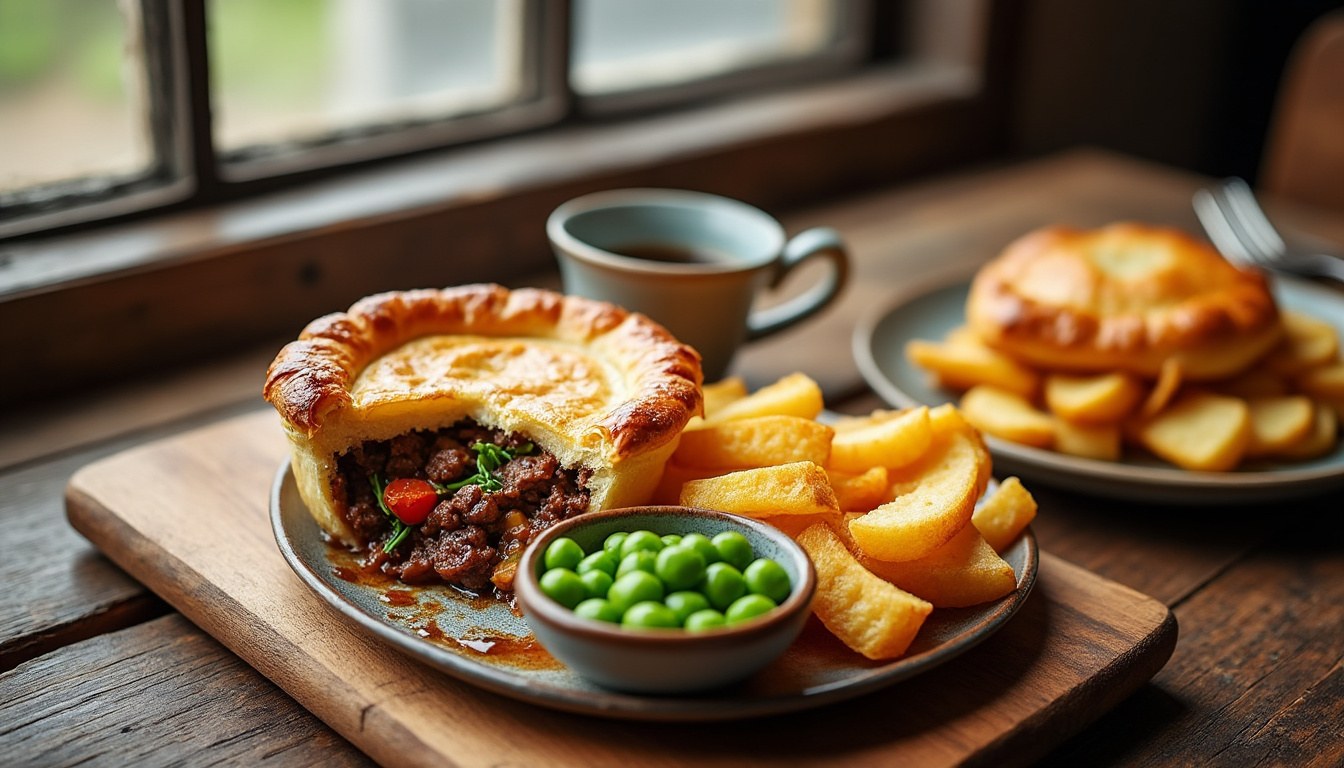
Classic sides like mushy peas and thick-cut chips are a match made in heaven alongside your steak and ale pie. The peas’ soft sweetness contrasts beautifully with the savory meat and crunchy fries, elevating that traditional pub-meal vibe at home. If you want to up your veggie game, buttered green beans or a fresh garden salad bring color and crunch, balancing the richness of the pie.
Seasoned mashed potatoes or creamy mashed swede are also excellent—they soak up that luscious gravy and add layers of comfort. Feeling fancy? Mini individual pies baked in ramekins make a charming presentation at dinner parties. You can even decorate pie tops with pastry cut-outs—leaves, hearts, initials—adding a whimsical, Instagram-worthy touch! 📸
A touch of fresh parsley sprinkled on top or a dollop of English mustard or horseradish sauce on the side adds just the right zing, giving a bright lift to those deep flavors. For extra indulgence, a little buttered parsnip or gammon roast glaze brings out sweet caramelized notes complementing the savory filling — check out some inspiration here with this delicious gammon roast glaze recipe.
Serving steak and ale pie right isn’t just about food; it’s an experience—warmth, tradition, and a hearty feast on your plate. It’s a meal that brings people together, beckoning everyone to slow down, savour, and enjoy.
| 🍽️ Element | 🔥 Tip | 💡 Why it matters |
|---|---|---|
| Stewing Beef Cut | Choose chuck or shoulder with good marbling | Ensures tender, juicy meat after slow cooking |
| Ale Type | Use dark English ale or brown ale | Adds traditional, rich malt flavor without bitterness |
| Pastry Handling | Keep all ingredients cold and handle dough lightly | Results in perfectly flaky, tender crust |
| Slow Cook Timing | Cook covered low and slow for 1.5-2 hours | Breaks down meat fibers and melds flavors deeply |
| Blind Bake Base | Use dried beans to weigh down crust | Prevents soggy bottom for crisp pastry |
Can I substitute the beef with other meats?
Definitely! Lamb shoulder or brisket can work, but remember tougher cuts might take longer to become tender. Always adjust cooking time accordingly.
Is it possible to make this recipe gluten-free?
Yes, by swapping the regular flour for a gluten-free blend in both the pastry and the filling, and ensuring your ale and Worcestershire sauce are gluten-free, you can enjoy this classic worry-free.
How can I avoid a soggy pie bottom?
Blind bake your pastry base with dried beans or pie weights to prevent it from puffing or getting soggy. Also, slightly reducing the filling on the stove before assembly helps maintain crust crispness.
Can the filling be prepared ahead of time?
Absolutely! Making the filling a day or two early lets flavors marry beautifully and makes final assembly quicker and less messy.
What if I don’t have access to English ale?
Dark stouts or brown ales are good substitutes. If avoiding alcohol, a mix of beef broth with malt vinegar can mimic the complexity of ale fairly well.
In the overall, this rich British classic speaks volumes about the power of simple ingredients slowly cooked with patience and care. Whether it’s the satisfying crust or the deeply savory filling, the steak and ale pie holds a special nostalgic and culinary place. It’s about comfort, tradition and a warm plate that invites lingering conversations and full bellies. Thanks a bunch for taking this delicious journey—hopefully, your kitchen will soon be smelling of flaky pastry and rich gravy too! 🥧❤️ Remember: good food, good company, and a little ale go a long way to making life sweeter.
