
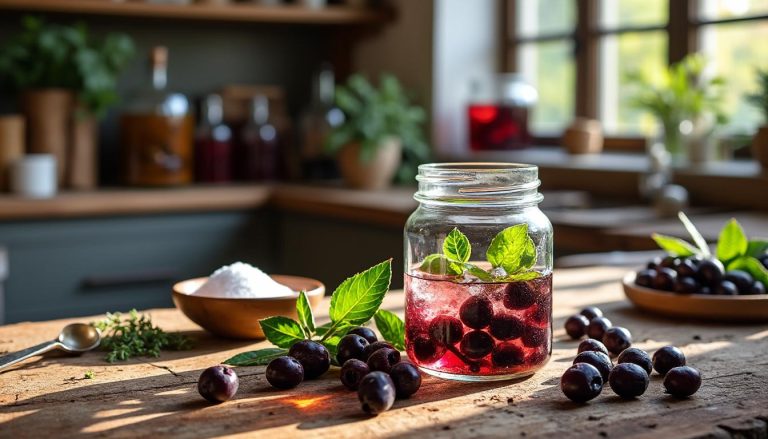
Ready to embark on a journey through the vibrant world of homemade spirits? Sloe gin, that enchanting fruit-infused gin made from those prickly little blackthorn berries, is more than just a drink — it’s a ritual, an adventure, and a craft cocktail lover’s dream. In 2026, the resurgence of artisanal homemade spirits has more people than ever foraging for sloes, blending heritage with contemporary flair. Discover why this traditional sloe gin recipe remains a celebrated pastime and how turning fresh or frozen blackthorn berries into a luscious infusion can elevate your gin game to stratospheric heights. Whether you’re an experienced home distiller or just testing the waters of fruit-infused spirit crafting, the process is surprisingly straightforward — just ripe sloes, gin, a bit of patience, and soon enough, your own bespoke bottle of velvety, ruby-red liqueur. The ensuing sections will unpack the magic behind this transformation, the best practices from foraging to bottling and how to celebrate the fruits of your patience!
In brief for the adventurous spirit enthusiast:
- 🌿 Harvest ripe blackthorn berries ideally after an autumn frost or freeze them to unlock deep flavors.
- 🍸 Use quality gin for a smooth infusion that won’t overpower your homemade liqueur.
- ⏳ Patience is key—infuse sloes with gin and sugar for several months to develop that signature rich taste.
- 🍋 Experiment with classic and modern cocktails: sloe gin fizz, collins, or simply over ice with tonic.
- 🧊 Properly sealed and stored, your batch can last up to a year, ready for winter celebrations and gifting.
What makes sloes perfect for a traditional homemade fruit-infused gin?
Before diving into bottling your own sloe gin, you’ve got to understand those hard-as-nails little berries—the blackthorn berries, aka sloes. They’re true characters, harboring a natural bitterness and astringency that’s both their curse and charm. Raw, these berries taste thorny and uninviting. However, once soaked in gin, their entire profile bursts into a beautifully balanced, fruity, and slightly tart liqueur that’s nothing short of addictive.
Sloes come from the blackthorn bush, a spiny member of the Prunus family, which transforms through the seasons: white blooms in spring, and berries ripening in early autumn. Knowing when and how to pick them is half the trick. Folk wisdom claims that the first frost is a green light for harvesting, allowing frost to crack the sloes’ tough skins, releasing sugars and softening flavors. Yet, modern practice suggests you don’t need to wait! Gathering sloes in September and freezing them overnight is just as effective, making the entire autumn foraging process more flexible and still flavorful.
Picking sloes is an experience as tactile as it is rewarding: sift through waist-to-head height branches to catch the ripest berries glowing in the sunshine, avoiding shaded fruits that tend to be bitterer. It’s a subtle art — leave plenty of fruit for the local wildlife and preserve the bushes for next year’s crop. Plus, foraging adds a fresh-air adventure to the process and a hands-on connection to the land that industrial spirits just can’t replicate.
- 🌟 Key tip: Avoid sloes falling from the bush on their own, these might be damsons — similar but different!
- 🪓 Use gloves when harvesting to fend off the sharp thorns.
- ❄️ Freeze sloes before infusion to mimic frost effects, breaking down skins and enhancing sweetness.
Intriguingly, sloes are packed with antioxidants and vitamin C — so your homemade sloe gin is not only delicious but a slight nod to nature’s goodness, perfect for those crisp winter nights when you’re craving a warming tipple. The infusing process transforms this unassuming berry into a sumptuous nectar, asserting why it’s one of the most beloved traditional homemade alcohol recipes ever.

How to make the ultimate sloe gin: step by step traditional recipe guidance
There’s an undeniable pleasure in crafting your own fruit-infused gin from scratch — a mix of anticipation, patience, and pride. Here’s the classic blueprint to achieve that perfect ruby red, robustly flavored sloe gin:
- Prepare the sloes: Wash your sloes and prick each berry with a sterilized needle or fork. This step is crucial — it allows the gin and sugar to penetrate the berry’s skin, ensuring a deep infusion.
- Choose quality gin: Opt for a good-quality gin with a smooth, clean base. Cheap gins are a shortcut to disappointment — harsh, cheap botanicals can muddle the final flavor instead of elevating it.
- Add sugar: Traditionally, granulated sugar is added to balance the sloes’ tannins and bitterness. Here’s a tip — start with around 8 ounces (225g) per 1 liter of gin but adjust to taste for sweetness intensity.
- Combine and seal: Place sloes, sugar, and gin in a sterilized, airtight jar. Shake well to mix. Seal tightly and store somewhere cool and dark.
- Infuse and shake: Let your infusion brew for 3–6 months. Shake the jar gently each week to help dissolve sugar and distribute flavors evenly.
- Strain and bottle: After the infusion period, strain out the solids with muslin or a fine strainer. Bottle your homemade sloe gin into clean liquor bottles, label, and seal.
This patient alchemy transforms the bitter sloes into a smooth, fruity liqueur that’s punchy but balanced — a crowd-pleaser for cocktails or sipping solo. And hey, if you’re curious, swapping gin for vodka creates a more neutral sloe vodka for a different twist on this craft cocktail classic.
Here’s a handy table summarizing the essentials:
| Ingredient 🍇 | Quantity | Purpose |
|---|---|---|
| Blackthorn berries (sloes) 🍂 | 450g (1 lb) | Primary fruit, flavor base |
| Gin 🍸 | 700ml – 1 liter | Alcohol base for infusion |
| Granulated sugar 🍬 | 225g (8 oz) | Sweetens, balances bitterness |
Playing around with your sloe gin after the basics opens a world of inspiration: add cinnamon sticks or star anise during infusion for a spiced note, or try different sugars like demerara for a richer flavor. Making sloe gin is as much about personal touch as it is tradition!
What’s the best way to enjoy sloe gin and serve your homemade infusion?
You’ve bottled your labor of love. Now, what’s next? Sloe gin is a versatile liqueur that invites creativity. The classic enjoyment? Poured over a couple of ice cubes—effortless and delightful. The natural sweetness unfolds against a chill, perfect for a cozy evening by the fire. But don’t stop there. Mixologists and home bartenders alike have embraced sloe gin as a fabulous base or accent for cocktails.
Here are some dazzling ways to enjoy your concoction:
- 🍹 Sloe gin fizz: Combine sloe gin, lemon juice, simple syrup, and soda water for a sparkling refreshing sipper.
- 🍋 Sloe gin collins: Equal parts sloe gin and lemon juice topped with soda and ice — tangy and bright!
- 🍊 With tonic and citrus: Pour sloe gin over ice, top with premium tonic and garnish with lemon or orange slices for a simple, elegant drink.
- 🥂 In sparkling wine: Add a splash of sloe gin to prosecco or champagne for a fruity, festive twist perfect for celebrations.
- 🧊 Neat or on the rocks: Let the deep red glow and velvety texture shine solo or with ice.
With each serving, the aromatic depth of your homemade infusion shines through, highlighting the complex dance of tart, sweet, and botanical notes. If anything, sloe gin redefines versatility in the craft cocktail scene — it’s both an ingredient and a star.
How to store sloe gin and ensure it stays fresh and flavorful over time
One of the major perks of making traditional homemade fruit-infused gin is that it keeps well — with the right storage, your creation can remain a luscious masterpiece for months.
Store your sloe gin in a sealed, air-tight bottle—preferably a glass bottle with a cork or screw cap. The ideal spot is cool, dark, and away from temperature swings. Light and heat are the arch-nemeses of flavor and color in fruit-infused spirits, so safeguarding against them helps preserve both brilliance and bouquet.
Generally, once opened, a well-stored sloe gin maintains its best quality for about a year. Beyond that, flavors might mellow but it tends not to spoil in a harmful sense. As the drink ages, the bitterness softens and sometimes a richer caramelized sweetness emerges, so don’t hesitate to experiment with “mature” sloe gin for different cocktail profiles.
Here are some insider tips for longevity:
- 🧴 Store in dark bottles if possible to block UV light.
- 🌡️ Maintain a stable cellar-like temperature around 12-15°C (53-59°F).
- 🕰️ Use the “first in, first out” rule to enjoy the oldest bottle first.
- ❄️ If you can’t finish a bottle quickly after opening, refrigerate it for extra freshness.
By respecting these simple rules your homemade infusion will keep every drop of its charm. When you gift a bottle to friends or family, you’re not just sharing alcohol — you’re handing over a story steeped in nature’s cycles, care, and tradition.
What challenges and joys come with crafting homemade sloe gin in 2026?
In the digital era, home craft cocktails and DIY spirit-making have exploded in popularity. Yet, making traditional sloe gin, deeply rooted in natural cycles and artisan patience, offers unique thrills and hurdles alike.
A major challenge? Timing. Involving seasonal foraging means waking up early or scouting the local hedgerows just at the right moment. Missing the perfect harvest window can mean sweeter sloes vanish or get overshadowed by frost. Then comes the wait—infusion can’t be rushed and requires care, regular shaking, and good storage conditions. That patience is rewarding on a different level than instant gratification.
But the joyful flip side is profound. Imagine cozy weekends gathering fruit with family or friends, sharing stories during the slow buildup to Christmas. The pride when you uncork your first sip, thick, fragrant, and glowing with color. Plus, making sloe gin in 2026 is more accessible than ever with online tutorials, community groups, and local foraging courses spreading fast, fueling a revival in traditional crafts.
It’s a creative outlet, a natural connection, and a mouthwatering reward all in one. And hey — giving handmade fruit-infused gin as a gift? Instant friendship booster and guaranteed “wow” factor.
Fun fact: did you know sloes have been turning up in British lore since the 14th century? And that a single sloe berry can contain over 40 different complex flavor compounds? Talk about complexity waiting to be unleashed!
Can I use frozen sloes instead of fresh berries?
Absolutely! Freezing sloes before infusion mimics the natural frost effect, breaking down berry skins and releasing sugars for better flavor extraction.
How long should sloe gin be infused before drinking?
Typically, 3 to 6 months of infusion is ideal to develop the rich, balanced flavor characteristic of sloe gin.
Can I make sloe gin without sugar?
Sugar is essential to balance the natural bitterness of sloes, so skipping it isn’t recommended if you want a smooth and palatable liqueur.
What gin is best for making sloe gin?
A clean, mid-range gin with a smooth botanical profile will complement the sloes’ flavors. Avoid harsh or very strongly flavored gins.
How long does homemade sloe gin last after opening?
Stored properly in a cool, dark place and sealed tightly, it can last up to one year while maintaining its quality.
In the overall, pursuing your own sloe gin adventure is a delightful challenge that pays off with rich, handcrafted magic far beyond the bottle. From foraging thorny bushes to shaking jars in dark corners, the whole process is steeped in tradition and personal triumph. It’s an invigorating way to drink differently, connect naturally, and enjoy fruit-infused gin like no other.
Thanks a ton for sticking with this deep dive! May your sloes be plenty and your gin always smooth. 🌿🍸 Remember, good spirits come from great stories, so why not start a new one today?
