

Looking for a way to keep your beverages chilled without sky-high energy bills? Then the world of energy-efficient mini fridges might just be your ticket to smart, sustainable living! Compact refrigerators aren’t just convenient for tight spaces like dorm rooms or home offices—they’re also evolving into eco-friendly marvels that promise low power consumption while keeping your snacks fresh. From advanced cooling tech and superior insulation to nifty energy-saving features, today’s mini fridges cater to both your wallet and the planet. Curious about which models truly shine in terms of green technology? Or itching to know how to squeeze every drop of efficiency out of your compact cooling appliance? Dive in, because you’re about to discover the art of cost-effective cooling that’s both practical and planet-friendly.
Saving energy doesn’t mean compromising on function anymore. Modern sustainable appliances boast adjustable thermostats, quiet compressors, and smart designs that blend seamlessly into your lifestyle. Whether you’re an eco-conscious student, a busy professional, or a minimalist living the tiny life, these bite-sized refrigerators are stepping up their game. And hey, if you ever wondered how a simple appliance could help cut down on your carbon footprint, you’re in for some surprises. Ready to get the lowdown on the best eco-friendly models and cutting-edge tips that keep your mini fridge humming without guzzling power? Let’s unpack the cool world of energy-saving mini refrigerators.
🔌💡
In brief:
- 🌱 Opting for Energy Star-certified mini fridges guarantees at least 10% less energy usage compared to standard models, offering long-term savings.
- 🌍 Eco-friendly refrigerants like R-600a minimize environmental impact by reducing greenhouse gas emissions significantly.
- ⚙️ Advanced features—think inverter compressors and adjustable thermostats—boost efficiency without sacrificing performance.
- 🧰 Proper maintenance like cleaning coils and securing door seals critically enhances your mini fridge’s energy saving capability.
- 📏 Choosing the right size ensures no energy is wasted on cooling empty space—always a win-win for cost-effective cooling and functionality.
What makes a mini fridge truly energy efficient in 2026?
When scouting for a compact refrigerator that’s more than just a space saver, energy efficiency is the secret sauce. You want a unit that minimizes power consumption while delivering stellar cooling performance. So what should you zero in on?
Energy Star certification: the gold standard of efficiency
First off, the Energy Star label is a no-brainer. This certification means the appliance surpasses strict benchmarks set by the EPA, often leading to at least a 10-15% cut in annual energy use compared to non-certified peers. This is especially vital in mini fridges that run 24/7. For instance, the Midea WHS-65LB1 Compact Refrigerator uses just about 177 kWh per year—remarkably low for its size and capabilities.
Compressor and thermostat innovation
Modern mini fridges now sport inverter compressors that don’t just buzz at full capacity nonstop. Instead, these bad boys dynamically tweak their speed depending on the cooling demand, which slashes unnecessary power usage. Pair that with a precise adjustable thermostat, and you’re not wasting energy overcooling your snacks.
High-quality insulation: the unsung hero
Don’t overlook insulation! Great thermal barriers keep the cold locked in and the heat out, meaning the compressor doesn’t have to keep kicking in every few minutes. Eco-conscious brands often use advanced foam or vacuum insulated panels—a feature becoming more common thanks to its significant impact on reducing power consumption.
Choosing refrigerants with a green heart 💚
The type of coolant matters big time for the environment. Many eco-friendly mini fridges now utilize R-600a, a natural refrigerant with ultra-low global warming potential. This stands in stark contrast to older models using HFCs or HCFCs, which are more harmful to the ozone layer. Cheers to greener cooling and better sustainability!
All things considered, understanding these elements ensures you’re picking a fridge that’s kind to your energy bills and the planet alike. These insights help demystify which energy-efficient mini fridge models rise above the rest in 2026’s landscape.
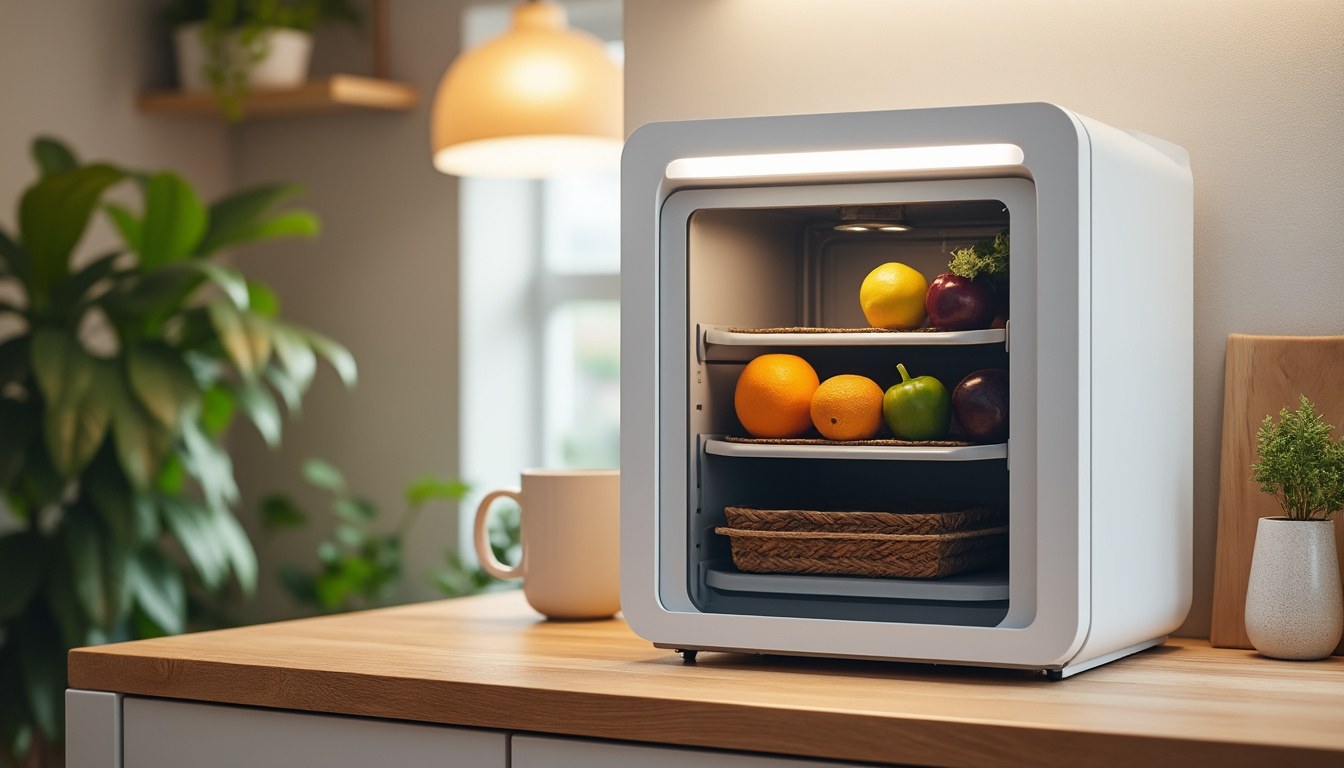
Why is choosing an eco-friendly mini fridge a smart move?
Choosing an eco-friendly mini fridge isn’t merely about lowering your electricity bill—although that’s a juicy benefit! It’s about embracing a lifestyle that minimizes environmental impact while keeping daily comforts at your fingertips. Want to know why so many folks are flipping for these green tech marvels?
Significant reduction in power consumption
Because they’re engineered with energy-saving components, these compact refrigerators use power more efficiently. That means your fridge runs smoothly without sending your electric meter spinning, which fits perfectly in today’s eco-conscious budgets and lifestyles.
Lower carbon footprint and sustainability
The environmental gains are even more thrilling because switching to a mini fridge that employs green technology helps shrink your overall carbon footprint. With sustainable appliances on the rise, every little saving counts in the fight against climate change. Plus, they often come with parts and materials designed for easier recycling, which is a big step toward zero-waste!
Ideal for small spaces without compromising function
These compact refrigerators surprise many with their well-thought-out interiors. Adjustable shelves, quiet operation, and sometimes separate freezer compartments mean you can stash everything from chilled drinks to frozen treats without cramping your style. They’re perfect for dorm rooms, offices, or tiny apartments where space and power conservation are top priorities.
The appeal of advanced features 📱
- Smart temperature controls that avoid overcooling
- LED lighting that uses less energy and emits minimal heat
- Flat-back designs for maximizing space efficiency, available in many models like the stylish silent mini fridges
By making this choice, consumers wholeheartedly support broader sustainability goals while enjoying the convenience and cool factor these fridges deliver.
Which features matter most when searching for an energy-saving mini fridge?
Below the surface of every charming energy-efficient mini fridge lie numerous features that call the shots on its power consumption and functionality. Knowing what to check can save both money and frustration down the line.
Size and capacity harmony
It’s tempting to grab the biggest fridge that fits your nook, but bigger isn’t always better. A smaller fridge running full tends to be more energy-efficient because it avoids unnecessary cooling of wasted space. Experts usually recommend choosing a fridge capacity tailored to your needs, generally between 1.7 and 4.5 cubic feet for the perfect balance of storage and energy preservation.
Compressor and cooling technology
Inverter compressors take center stage, beating their conventional counterparts in efficiency and silence. They operate smarter, adjusting power dynamically, which is a godsend for reducing both noise and electric bills. Additionally, the method of cooling—whether compressor or thermoelectric—affects overall consumption, with compressors leading the charge for demanding users.
Adjustable thermostats and insulation
A fridge equipped with a precise thermostat avoids the common pitfall of freezing the contents too hard, conserving energy by maintaining just the right chill. Strong insulation complements this by minimizing heat seepage, meaning the compressor kicks in less often. Together, they form a formidable defense against wasted electricity.
Door and lighting considerations
Energy-efficient door seals and designs prevent cold air leaks. Models with double or triple seals perform far better at keeping that refreshing coolness inside. Also, LED lighting not only uses minimal power but generates negligible internal heat — a tiny detail that plays a surprisingly big part in cutting power consumption.
| Feature ⚙️ | Why it Matters 💡 | Energy Impact 🔋 |
|---|---|---|
| Energy Star Certification | Assures compliance with strict energy standards | Reduces consumption by 10-15% |
| Inverter Compressor | Adjusts cooling to actual demand | Significant energy savings & quieter operation |
| Adjustable Thermostat | Prevents overcooling | Optimizes electricity use |
| High-Quality Insulation | Locks in cold air effectively | Less frequent compressor activation |
| LED Interior Lighting | Consumes minimal power and emits little heat | Small but consistent energy savings |
Top energy-efficient mini fridge models and eco-friendly choices
Picking the right model can feel like a mini quest—so many choices, specs, and promises. Here’s a snapshot of standout options in 2026, blending style, function, and eco-friendly prowess.
- Liebherr UR 500: A fully built-in fridge with adjustable shelving, soft-close doors, and a super-efficient compressor, boasting an annual use of just around 208 kWh.
- GE GME04GGKBB Compact Refrigerator: With a separate freezer and 4.4 cubic feet capacity, it’s Energy Star rated and uses R600a refrigerant – a true blend of performance and sustainability.
- Black+Decker BCRK43V: This flat-back mini fridge is great for tight spaces while offering low noise and energy consumption, making it a fabulous choice for your office or studio.
- Furrion FCR43ACA-BL: Perfect for RVs and off-grid living with its low energy use (just 151 kWh annually) and vibration resistance.
- Danby Designer Mini Refrigerator: Offers a full-width freezer alongside a spacious fridge section, optimized for energy savings with durable R600a coolant.
These models demonstrate the vibrant variety available for those seeking a blend of compact convenience and environmental responsibility. For more insights into the range of mini fridges that marry innovation and eco-friendliness, check out this mini fridge buyer’s guide for thorough details and reviews.
How choosing an energy-efficient mini fridge saves money in the long run
It’s tempting to hesitate at the often higher price tags on efficient mini fridges. But trust me, the long-term savings are something to get excited about. The interplay between upfront costs and savings on utility bills creates a winning financial story for energy-conscious buyers everywhere.
Lower electricity bills month after month
With energy-efficient technologies driving down power consumption by up to 15%, these mini fridges translate directly into tangible savings on your electric bills year-round. It’s not just a drop in the bucket — for many, it adds up to dozens of dollars saved each year.
Incentives and rebates sweetening the deal
Many utilities and manufacturers offer rebates for Energy Star and eco-friendly appliances. Taking advantage of these promotions further eases the initial investment burden and accelerates your break-even point.
Longevity and fewer repairs
Designed with durable parts and advanced components, these sustainable appliances tend to live longer and demand fewer repairs. Over time, that reliability adds extra dollars to your savings column and less inconvenience to your life.
Put simply, investing in an energy-efficient mini fridge is not only about being green but also about being smart with your hard-earned cash.
Simple tips to boost your mini fridge’s energy saving potential
Sometimes, it’s the little things that make a big difference. No need for complicated tech tweaks—just smart habits and attentive upkeep. Wondering how to get the most out of your compact refrigerator?
- 🌬️ Keep it ventilated! Leave at least two inches of space around your fridge for airflow.
- 🧼 Clean coils twice a year to prevent dust from sabotaging efficiency.
- 🛠️ Check door seals regularly to avoid energy leaks—replace if needed.
- 🌡️ Set the thermostat to around 37°F for the fridge and 0°F for the freezer for optimal balance.
- 🥶 Don’t overload! Items packed too tightly restrict airflow, making the fridge work harder.
- ❄️ Defrost manual models once frost builds above a quarter-inch to maintain performance.
These easy habits keep your mini fridge running lean and green, reducing power consumption and extending the appliance’s lifespan. For more detailed care and operational tips, explore the electric mini fridge guide to keep your device in top shape.
Are mini refrigerators really energy efficient?
Yes! Many modern mini refrigerators are designed to use less power than full-sized models, especially those with Energy Star certification and advanced cooling technologies.
What size mini fridge is best for energy saving?
Choosing the smallest unit that fits your storage needs is best. A fridge between 1.7 and 4.5 cubic feet usually balances capacity and low power consumption.
Does an Energy Star mini fridge save a lot on electricity bills?
Absolutely! Energy Star models typically use 10-15% less electricity, resulting in noticeable savings on your utility bills over time.
What refrigerants are most eco-friendly in mini fridges?
Natural refrigerants like R-600a are preferred due to their very low global warming potential compared to older HFC or HCFC refrigerants.
Can maintenance really improve a mini fridge’s efficiency?
Definitely! Simple maintenance like cleaning coils, inspecting door seals, and defrosting can significantly boost a mini fridge’s energy performance.
In the overall scheme, chosen wisely and cared for properly, an energy-efficient mini refrigerator isn’t just a little appliance—it’s a frontline hero in sustainable living and economic sense. Thanks so much for sticking through this cooling journey. Remember, even the smallest steps like choosing the right mini fridge can create a ripple effect for a greener planet. Stay chill and keep it green! 🍃❄️
