

Craving the ultimate afternoon indulgence? The traditional coffee and walnut cake holds a special place in the heart of British baking. With its rich espresso-infused layers and crunchy walnut bits, this cake isn’t just any dessert—it’s a beloved ritual for tea-time enthusiasts across the UK. Whether you’re rounding up friends for a casual get-together or aiming to impress at a Sunday tea party, this cake elevates any occasion to pure delight. But there’s a lot more to this classic than just a blend of coffee and nuts on a plate. Let’s dive deep into why this British tea-time treat continues to charm generations and how you can master it in your own kitchen.
- ☕ A beloved traditional British tea-time treat, transcending generations
- 🌰 Perfect harmony of espresso bitterness and nutty crunchiness
- 🧁 Moist sponge with coffee buttercream frosting makes it a stand-out dessert
- 🎉 Versatile for special occasions like birthdays, Mother’s Day, or just a casual afternoon treat
- 👩🍳 Baking tips and tricks to make this classic at home with ease
why does coffee and walnut cake hold a special place in British baking?
There’s something utterly nostalgic about the coffee and walnut cake that speaks straight to the soul of British baking. The cake dates back decades and has become a staple at tea rooms, family gatherings, and celebrations. It’s not just the flavor—although that rich espresso undertone coupled with the subtle crunch of walnuts is compelling—but it’s the tradition it embodies. Bake shops across towns from Yorkshire to Cornwall proudly feature this classic British recipe, and many families pass down their versions, tweaking the coffee strength or nut quantity to their liking.
Picture this: a quaint, cozy tea room reminiscent of bygone days, the aroma of freshly brewed coffee and the sugary sweetness of cakes wafting through the air. Among the array of tempting bakes is the unmistakable coffee and walnut cake, often sitting beside a classic Victoria sponge or a lemon drizzle. Many swear by it as the ultimate accompaniment to a perfectly brewed cuppa. That delicate balance between the bitterness of well-made espresso and the buttery, crumbly texture with chewy walnut pieces makes it a winner every time.
Additionally, this cake’s appeal extends beyond mere flavors. It represents the quintessential British tradition of afternoon tea—a mid-afternoon pause that’s as much about community and conversation as it is about refreshment. The ritual of serving this cake tells stories of family, friendship, and a culture that treasures cozy moments. Aspiring bakers often find themselves enchanted by the challenge of achieving the perfect sponge texture alongside that luscious coffee buttercream, a hallmark of this treat.
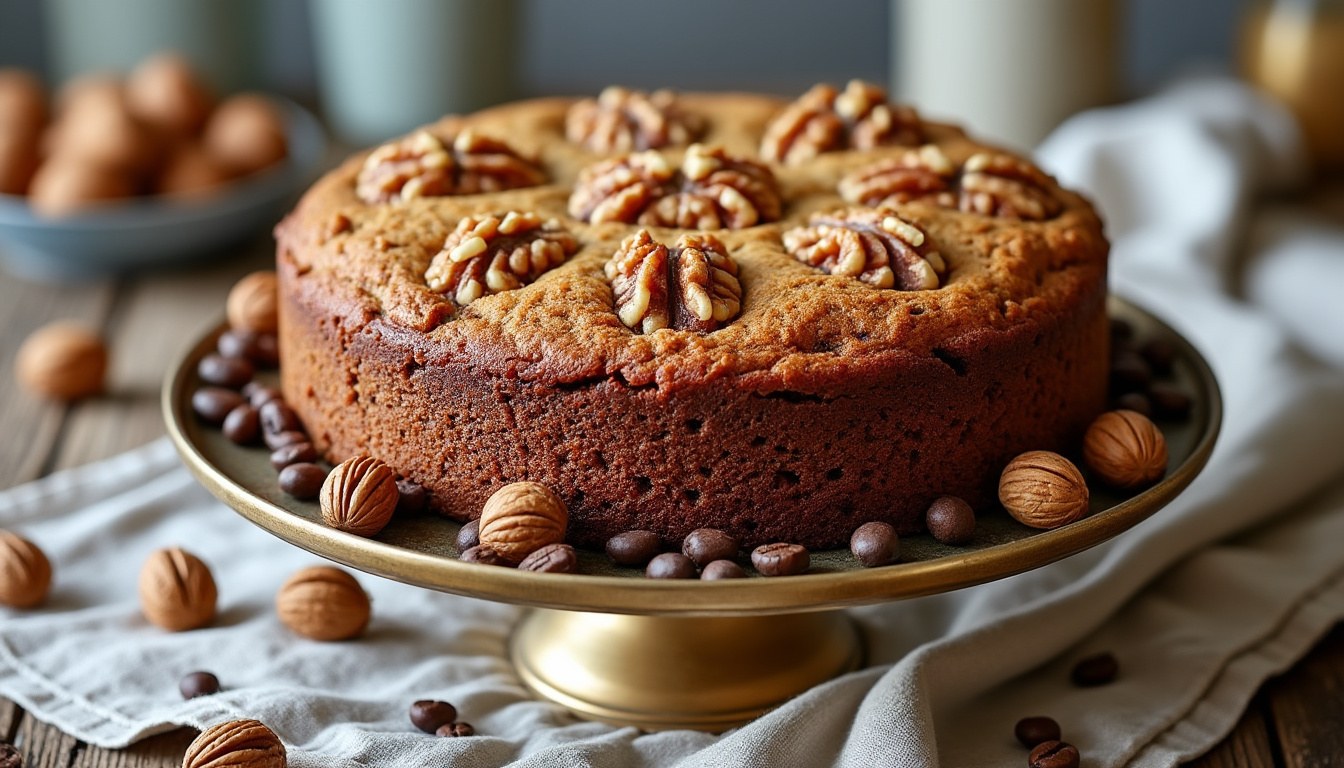
what makes the perfect coffee and walnut cake recipe? key ingredients and preparation insights
Getting that flawless blend of mocha bitterness and nutty sweetness hinges on nailing the recipe with finesse. It’s tempting to think any coffee or nuts will do, but, oh no, the devil’s in the details! For a stunning traditional cake, there are a few star ingredients you just can’t skimp on. High-quality instant coffee or freshly brewed espresso is essential — it brings the depth of flavor that turns your cake from ordinary to extraordinary. And of course, fresh walnuts, properly chopped for max crunch and evenly incorporated throughout.
Let’s break down the essentials:
- 175g unsalted butter at room temp – for a light, fluffy sponge
- 75g walnuts plus extra to garnish – fresh, lightly toasted for an amazing nutty aroma
- 175g sugar – classic sweetness that balances coffee’s sharpness
- 3 large free-range eggs – binding everything together with a rich texture
- 150g self-raising flour and a half teaspoon baking powder – for that soft, airy crumb
- 50ml cold espresso – the soul of the cake
The secret to success? Blitz two-thirds of the walnuts into a fine powder – this sneaks in subtle nuttiness throughout the sponge. Then fold in the roughly chopped walnut chunks to give delightful bursts of texture. Both coffee and walnuts harmonize beautifully when the eggs and butter-sugar mix achieve a fluffy consistency before adding the rest.
Once the batter is ready, it goes into two greased 20cm tins and bakes at 180ºC/gas 4 for about 20-25 minutes until a skewer comes out clean, signaling that perfect bake – golden and tender. Letting the cakes cool properly is a must — sweat and soggy layers are the enemy of a showstopper!
Creating the coffee buttercream filling is just as crucial and fun. It’s a mix of:
- 65g unsalted butter softened to creamy perfection
- 125g icing sugar for sweetness
- 40ml strong espresso to keep the coffee intensity
Blend these until fluffy and luxurious. The icing on top has a smaller dose of espresso and icing sugar, whipped to a thick, silky glaze, drizzled just so. For a fancy touch, sprinkle caramelized walnuts over, achieved by roasting nuts in melted sugar – talk about an impressive treat!
why baking coffee and walnut cake at home beats buying from the shop
Sure, grabbing a slice at your local café or bakery is convenient, but it rarely matches the joy (and aroma!) of baking a fresh, homemade coffee and walnut cake that fills your kitchen with enticing scents and guarantees fresh ingredients. Home baking offers so much more — the control over taste, texture, and quality, plus a warm sense of achievement. Plus, personalised tweaks can be made for flavour or dietary needs — like swapping regular espresso with decaf for caffeine-sensitive tea lovers.
Baking this cake at home turns into a splendid social event! Imagine inviting friends over, sharing laughter over the mixing bowl, and witnessing their faces light up with the first bite of that velvety-smooth, perfectly balanced dessert. It’s not just food; it’s a memory in the making.
And let’s not forget, this cake’s versatility stretches beyond classic slices. It’s a star player in afternoon tea menus but dazzles equally at birthday parties, or even as a delightful finish after a Sunday roast. Its traditional roots give it a timeless character, but it can also be mixed up with a little inventive flair — say, adding a hint of orange zest to brighten the palette or sprinkling chopped pecans instead of walnuts for a twist.
For those eager to explore more traditional treats with a twist, check out some incredible recipes like the chocolate fudge cake or the classic banana bread, both perfect companions or alternatives for your baking adventures.
how does coffee and walnut cake fit into the culture of british tea-time?
Tea-time in Britain is more than just a quick snack – it’s a revered institution, a cultural cornerstone laden with history, etiquette, and delicious perks. The coffee and walnut cake holds a particularly cherished position on the afternoon tea menu — not just because it tastes divine — but because it symbolizes a blend of heritage and innovation.
The combination of coffee and walnuts is believed to have become popular in Britain during the post-war years, when exotic coffee beans began to be more accessible, and walnuts were an affordable nut staple. This duo quickly found favor among home bakers and professional pastry chefs alike. Today, it’s a star at tea rooms, garden parties, and family gatherings, bridging the generation gap with its rich flavor profile.
That famous British teatime ritual involves a tiered cake stand dotted with an assortment of sandwiches, scones, and cakes. The coffee and walnut cake’s moist sponge and creamy coffee buttercream are often the centerpiece, paired endlessly with pot after pot of hot tea or a bold coffee. Some even argue that this cake pairs best with traditional English Breakfast tea.
One of the weekend rituals for many families is the Sunday afternoon tea with a special cake. The coffee and walnut cake often waltzes in as the guest of honor, earning its spot next to fruit and chocolate cakes in homes across the UK. Its unmistakable charm and comforting flavors invite stories, laughter, and the relaxing pause we all need in today’s fast pace.
baking tips and tricks for mastering traditional coffee and walnut cake
Ready to conquer this British classic in your own kitchen? Here are some pro tips for baking a flawless coffee and walnut cake that feels and tastes like it just came out of a vintage tea room in Yorkshire:
- ✨ Choose your coffee wisely: Opt for quality strong espresso or instant coffee powder – it shapes the entire cake’s flavor, so don’t settle for anything less.
- 🌰 Toast your walnuts: Lightly roasting them enhances their nuttiness and aroma dramatically, creating a wonderful contrast in the sponge.
- 🧁 Don’t overmix the batter: Once you add the flour, fold gently to keep the sponge soft and airy.
- 🔄 Even baking: Place the tins at the center of the oven rack and avoid opening the door frequently; this keeps the temperature steady and ensures an even rise.
- 🕒 Cool fully before icing: Slap on the buttercream too soon and you risk melting the frosting into a gooey mess. Patience here pays off!
With these in mind, you’ll find baking the coffee and walnut cake is as rewarding as indulging in it. And hey, if you’re all about no-fuss desserts, the rocky road no bake chocolate could be a fun, easy side project for the weekend!
| Ingredient ☕ | Quantity ⚖️ | Purpose 🔍 |
|---|---|---|
| Unsalted butter | 175g (+ 65g for filling) | Provides richness and a fluffy texture |
| Walnuts | 75g (+ extra to garnish) | Adds crunch and nutty flavor |
| Sugar | 175g | Sweetens the sponge perfectly balancing coffee |
| Eggs | 3 large | Bind ingredients and enrich texture |
| Self-raising flour | 150g | Creates rise and light crumb |
| Espresso (cold and strong) | 50ml (sponge), 40ml (filling), 20ml (icing) | Essence of coffee flavor |
In the overall scheme, this cake remains a delightful, traditional British tea-time treat that elevates simple moments into cherished memories. And hey, it’s always worth mentioning one quirky fact: walnuts were once called the “wand of the gods” by ancient Romans – quite fitting for a cake that truly feels heavenly, don’t you think? 😄 Thanks so much for sticking around and exploring the magic of this classic. Remember, every slice is a little celebration! 🍰
Can I use decaf coffee in the coffee and walnut cake?
Absolutely! Using decaf coffee or espresso works perfectly, especially if the cake is for children or those sensitive to caffeine, without sacrificing flavor.
How do I prevent the coffee flavor from being too bitter?
Balance is key: using high-quality instant coffee and incorporating enough sugar helps mellow bitterness. Also, blending coffee with the buttercream and icing adds sweetness to envelope the sharp notes.
Can other nuts replace walnuts in this cake?
You can experiment with pecans or hazelnuts, but traditionalists swear by walnuts for their perfect texture and flavor contrast with coffee.
What’s the best way to store this cake?
Wrap it tightly in cling film and keep in the fridge for up to 3 days. Let it come to room temperature before serving for maximum flavor and texture.
Is coffee and walnut cake suitable for occasions besides afternoon tea?
Yes! This cake is incredibly versatile – ideal for birthdays, bake sales, or even as a comforting dessert after a meal. It always impresses guests with its rich flavor and traditional charm.
