

Craving that warm, fresh slice of bread popping out of your kitchen in minutes? Welcome to the delightful world of bread baking machine recipes—where craftsmanship meets convenience, and tradition blends with modern tech. Back in the ’90s, the humble bread machine revolutionized home baking, making it a breeze for folks to bake artisan-quality loaves without breaking a sweat. Fast forward to today, these handy appliances have evolved, yet the magic remains the same: you toss in ingredients, hit start, and voilà — fresh homemade bread emerges like a culinary miracle. Whether you’re after a crispy crust, a soft crumb, or something sweet and nutty, there’s a loaf recipe tailored perfectly for your trusty breadmaker. From classic white breads to exotic sweet rolls, the possibilities are as endless as your imagination and storage space!
Picture this: the aroma of cinnamon swirling in the air, or that unmistakable scent of garlic herb bread wafting through your kitchen right before dinner — all thanks to a machine doing the heavy lifting. These devices aren’t just a fad; they’re a savior for busy folks, aspiring home bakers, and those craving the satisfaction of kneading-free bread dough adventures. This guide dives deep into the best loaves to bake, secrets to ingredient tweaks, and how to harness your bread maker’s power to whip up consistent, perfect breads every time. Ready to impress friends, family, or just treat yourself to bakery-quality goodness at home? Let’s get loaf-ing!
In brief:
- 🍞 Bread machines make artisan bread baking accessible without the mess and fuss of manual kneading.
- 🥖 Mastering hydration and ingredient order is key for flawless bread machine baking.
- 🍯 Sweet, savory, and whole-grain loaf recipes offer diverse tastes and textures to suit any occasion.
- 🔄 Using the dough cycle opens doors to creative breads like pizza, rolls, and pretzels with minimal effort.
- 🧑🍳 Adjustments like flour type and yeast selection are essential for tailoring recipes to your machine and climate.
how to nail the perfect homemade bread with your bread machine
Anyone who’s ever wrestled with sticky dough or wrestled a clunky mixer knows just how much work good bread demands. That’s what makes a bread machine such a game-changer! These electric marvels handle the mixing, kneading, rising, and baking with clockwork precision — freeing you from the flour-covered mess and guesswork. The journey to your perfect loaf begins with understanding your machine’s quirks and the basic relationship between ingredients and bread texture.
First off, hydration is king. Too much water? Your dough turns into a gloopy wet mess that won’t hold shape. Too little? Dry, tough bread nobody wants to sink their teeth into. Most machines work best with about 1 to 1¼ cups of water for a 1.5 lb loaf, but adjusting a tablespoon at a time according to ambient humidity can change everything. Pro tip: check the dough early during the knead cycle — this is when you decide if you should sprinkle in a little extra flour or water.
A starter loaf to get familiar could be the classic white sandwich bread: simple ingredients like bread flour, sugar, oil, and yeast create a golden crust with a tender crumb. This loaf shows off your machine’s personality and your kitchen’s vibe — you might notice slight differences from batch to batch, especially with things like temperature swings or ingredient brand changes.
Another secret weapon is the dough cycle. Instead of fully baking in the machine, this cycle creates perfectly kneaded dough that’s ready for shaping by hand. Imagine pizza nights with fresh, elastic dough prepped by your machine, and all you have to do is toss your favorite toppings on. Or soft rolls that require just a brief bake after shaping. This approach enhances artisan bread features without extra effort.
Mixing order matters too: liquids go in first, dry ingredients on top, and yeast last—keeping it separated from liquids until the magic begins. This layering trick avoids premature yeast activation during delay timer settings — essential if you’re prepping dough overnight to bake fresh in the morning. Though a delay timer is convenient, be cautious with perishables like eggs or milk added to recipes.
- 🔥 Always weigh or measure ingredients precisely for consistent results.
- 🌡️ Monitor dough consistency around 5–10 minutes into kneading.
- 🧂 Salt keeps yeast in check and flavors balanced, but too much kills the rise.
- 🍞 Flours matter: bread flour for chew, whole wheat for heartiness, and all-purpose in a pinch.
- 🕰️ Take notes: log changes in water, yeast brands, and baking cycles for repeat success.
Getting to know your breadmaker’s rhythm transforms bread baking into a reliable routine instead of a guessing game — meaning less stress and more slices of fresh, homemade bliss.
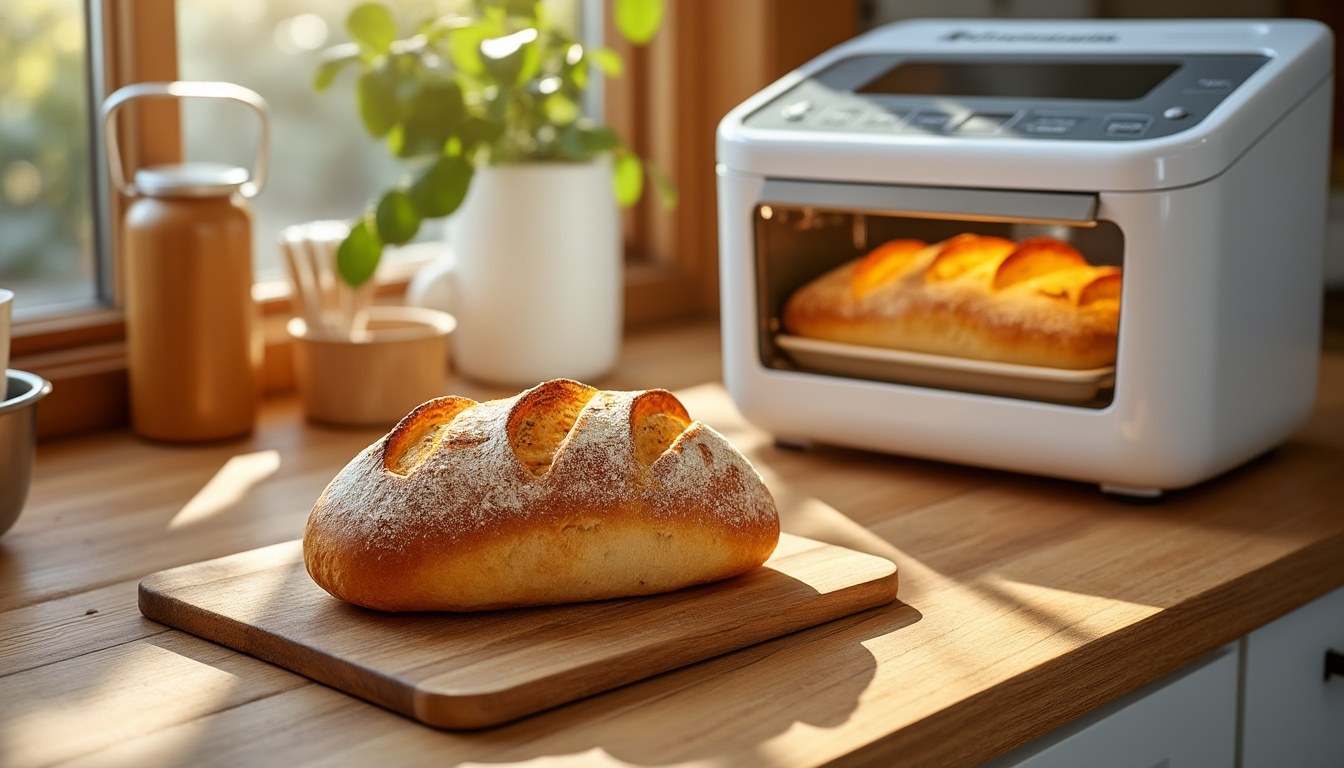
which breadmaker recipes bring the biggest flavor bomb in every bite?
Who says convenience means bland? The beauty of bread machine recipes shines through when you explore flavors far beyond basic white bread. With a few tweaks, you can craft loaves bursting with sweetness, spice, herbs, or hearty grains—all without extra hassle.
Consider the indulgent yet simple cinnamon raisin bread. Combining warm cinnamon, plump raisins, and just a touch of sugar turns your bread machine into a bakery dream. Add mix-ins at the dough beep—which signals the perfect time to throw in extras—for an even distribution without clogging your paddle. Not having that beep? No worries, stirring them in about 15 minutes into kneading works too.
For those craving savory, garlic herb bread delivers a punchy aroma that pairs beautifully with pasta or soup nights. Blend dried Italian herbs with garlic powder for a loaf that sings. Play around with salt levels and herbs cautiously since too much can overwhelm the palate.
Health-conscious bakers aren’t left out, with recipes like the whole wheat blend bread marrying the nutty flavor of whole wheat with the lightness of bread flour to avoid dense “brick” bread syndrome. Vital wheat gluten can make a huge difference here—boosting elasticity and supporting a soft crumb. Plus, honey or maple syrup offers a natural touch of sweetness while fuelling the yeast.
Sweet tooth alert? The banana bread-style sweet loaf is surprisingly easy and moist when baked right in your breadmaker, bypassing the need for hand mixing or messy pans. You can also try pumpkin bread with warm spices for a seasonal hit that fills your kitchen with cozy vibes.
Here’s a quick list of the top flavor-packed bread machine recipes to add to your repertoire right now:
- 🍌 Banana Bread-Style Sweet Loaf – morning brilliance with natural sweetness.
- 🍯 Honey Oat Bread – wholesome and softly sweet for everyday eating.
- 🌿 Garlic Herb Bread – savory, aromatic, perfect for dinner.
- 🍞 Cinnamon Raisin Bread – breakfast time game-changer.
- 🌾 Whole Wheat Blend Bread – hearty but not heavy.
Mix-ins like nuts, seeds, cheeses, and fruits can elevate your creation, but keep in mind the total add-ins should generally stay under ¾ cup so your bread dough stays manageable. Tackling different flavor profiles makes baking with a bread machine exciting—not to mention a great conversation starter when friends get a sneak peek of that heavenly loaf fresh from your kitchen!
recipe adjustment tips for mix-ins:
- 🎯 Always add mix-ins when the machine signals or just after kneading begins.
- 🔄 Toss dried fruits or seeds with a bit of flour before adding to avoid sinking.
- 🧀 Cheese and fatty add-ins may require reducing others like water or sugar.
which ingredients matter most for bread machine baking success?
In 2026, even with high-tech machines, the success of your loaf hinges massively on ingredients. Mastering how flour types, yeasts, fats, and liquids interact is a game changer when it comes to reliable, scrumptious homemade bread.
Yeast is the engine behind every loaf. Common types like instant yeast mix directly with flour, while active dry yeast needs rehydration first. Bread machine yeast is tailored to timer cycles, giving predictability in rising times. Using the right yeast and amount ensures your bread blossoms just right—too much and it can collapse post-rise; too little and you get a flat loaf.
Flour choices define crumb and crust. Bread flour boasts higher protein for chewy, elastic doughs ideal for sandwich or artisan breads. Whole wheat flour brings earthy depth but absorbs more liquid and can make bread dense, so pairing it 50/50 with bread flour often creates the perfect balance. Don’t shy away from all-purpose flour—it’s versatile but expect softer, less structured loaves.
Fats like olive oil or butter add flavor and moisture. Olive oil enhances with fruity richness, while vegetable oils are neutral players that keep crumb tender. Both extend freshness; that’s why they’re staples in many bread machine recipes.
Sweeteners fuel yeast and enhance browning. Sugar and brown sugar work like yeast food, while maple syrup brings an iconic depth of flavor especially in rustic and whole grain breads. Salt, on the other hand, is a critical regulator—it checks the yeast, preventing runaway fermentation, and sharpens flavor. Too much salt? Loaf won’t rise. Too little? Dough goes wild and falls flat.
Liquids (milk vs water) also do their bit: milk creates tender, softer crumbs with slight richness, while water keeps things traditional for crusty, lean breads. Warm liquids help activate yeast but be careful with temperature—too hot kills it! Precision here can avoid some of the common pitfalls bakers face using machines.
| Ingredient | Role | Effect on bread | Tips for bread machine |
|---|---|---|---|
| Yeast (Instant/Bread Machine) | Leavening | Controls rise and crumb structure | Add last on top of flour; adjust quantity to prevent collapse |
| Bread Flour | Structure & texture | Chewier, more elastic bread | Use for easiest rise; better gluten formation |
| Whole Wheat Flour | Flavor & nutrition | Denser, nuttier crumb | Mix with bread flour for balanced loaf |
| Fats (Olive oil, Butter) | Moisture & flavor | Softens crumb; extends freshness | Olive oil for rich flavor; butter for creaminess |
| Sweeteners (Sugar, Honey, Maple) | Yeast food & browning | Feeds yeast; adds flavor and crust color | Balance sugar to avoid loaf collapse |
| Salt | Flavor & yeast control | Enhances taste; regulates rise | Don’t skip; adjust carefully |
| Liquid (Water vs Milk) | Dough hydration | Milk softens crumb; water makes crust crispier | Use warm for yeast activation; careful with temp |
how to turn your grandma’s traditional bread recipe into a bread machine masterpiece
Transforming those cherished, handwritten recipes from grandma’s kitchen into machine-friendly formulas feels like a baker’s rite of passage. It’s not just about convenience; it’s preserving legacy without the sweat of manual kneading. But adapting traditional recipes involves a few smart reshuffles.
Start by tweaking liquid quantities — many oven-baked bread recipes are thirstier than what bread machines handle. Dropping the water by about 1/4 cup initially helps keep dough consistency just right. Yeast type matters too: substituting active dry yeast for bread machine yeast demands slightly less yeast to avoid that disastrous over-rise and loaf collapse.
Ordering ingredients is a bread machine must: liquids first, then dry, and yeast placed last on top, away from any water to delay activation until the machine runs. This layering safeguards against early yeast reactions during overnight delay timers — handy for having fresh-baked bread greet you on chilly mornings.
If your traditional recipe has long, slow rises, it’s worth experimenting with the dough cycle to produce fermented dough ready for hand shaping and baking in the oven to capture that perfect crust and crumb complexity.
Watch the dough during the knead phase for texture: sticky wet dough? Add small spoonfuls of flour. Dry and crumbly? Splash in water a teaspoon at a time. Patience here means nabbing that flawless loaf the first time.
- 🏆 Always test with small adjustments, keeping notes each time you bake.
- ⏲️ Use the dough cycle for complex recipes needing extra fermentation.
- 🔍 Observe your machine’s behavior and tweak cycles/settings accordingly.
- 📋 Don’t ignore ingredient quality; fresher flour and yeast matter big time.
By tuning these factors, family recipes come alive in new ways — with every loaf echoing the warmth and love grandma baked in, but now with less elbow grease and more reliability.
what are the easiest bread machine recipes that even beginners can master?
Jumping into bread machine baking can seem intimidating—trust me, even the most seasoned home bakers have hit the occasional flat loaf or tough crust. But the good news? Several recipes are downright fail-proof and perfect for beginners eager to bask in the joy of fresh bread.
The basic white bread recipe is practically a rite of passage, with minimal ingredients and simple instructions. Using just bread flour, water, yeast, salt, sugar, and oil, it proves that sometimes, less is truly more. This loaf provides a great way to understand your machine’s bake times, crust colors, and rise behavior with minimal risk.
Soft breads like milk bread or dinner rolls are equally beginner-friendly. They push just a little butter and milk into the mix, making the crumb supremely tender, and they’re perfect for family meals.
And don’t overlook the dough cycle for pizza dough or pretzel dough—it’s a prime way to get hands-on shaping experience without the sticky mess of kneading. After the cycle, it’s all about shaping, resting, and baking—easy peasy!
Here’s a quick beginner-friendly bread machine recipe checklist to kick off the adventure:
- ✨ Basic white sandwich bread – your go-to default loaf.
- 🥛 Soft milk bread – tender and great for kids.
- 🍞 Buttery dinner rolls – crowd pleaser for any meal.
- 🍕 Pizza dough (dough cycle) – easy prep for homemade pies.
- 🥨 Soft pretzel dough (dough cycle) – impress with minimal effort.
Mastering these basics sets a solid foundation for experimenting later on with more adventurous artisan bread styles or specialty loaves. Plus, won’t it feel fantastic to share your first perfectly golden loaf, fresh from your own bread machine? That’s the kind of kitchen victory that’s hard to beat.
why a bread machine should be your new kitchen best friend in 2026
With evolving food trends and hectic lifestyles in 2026, a solid bread machine is more than a kitchen gadget—it’s an investment in convenience, flavor, and control over your diet. Store-bought bread often hides preservatives and additives many want to avoid, but with a bread machine, you hold the reins and decide exactly what goes in your loaf.
Health-wise, the ability to fine-tune recipes to accommodate whole grains, reduce salt, or substitute natural sweeteners means you can align baking with personal dietary goals — a big win for mindful eaters. Plus, the aroma alone can brighten a day, lifting your kitchen’s ambiance and mood in a way no store-bought loaf can match.
If you’re pressed for time, nothing beats starting the machine, grabbing a coffee, and returning home to the comforting scent of a freshly baked loaf. Plus, utilizing the dough cycle for pizza or pretzels means weekend dinners get a gourmet twist with less hassle.
When shopping for a bread machine in 2026, look for features like dual kneading blades, customizable crust settings, or delay timers—modern upgrades that deliver bakery-quality results tailored to your lifestyle.
- 💡 Less prep work means more time enjoying fresh homemade bread.
- 🌍 Sustainable choice — eliminating plastic packaging waste from store loaves.
- 🍞 Experiment with artisan bread styles and specialty loaves with ease.
- ♻️ Great for batch baking and freezing — enjoy warm bread whenever cravings hit.
- 👩🍳 Encourages creativity and fun in the kitchen for everyone!
From beginners to seasoned pros, your trusty breadmaker brings the art and comfort of baking back home — one loaf at a time.
| Why choose a bread machine? | Benefit | How it changes baking in 2026 |
|---|---|---|
| Automates bread making | Hands-free preparation | Perfect for busy, time-crunched lifestyles |
| Customizable settings | Tailor crust, loaf size, and cycles | Allows artisan bread styles at home |
| Dietary control | Use wholesome, clean ingredients | Aligns with growing health trends |
| Delay timers | Plan baking schedules easily | Wake up to fresh breads effortlessly |
| Multi-function | Mix doughs, prepare breakfast breads | Versatile for sweet or savory recipes |
In the overall scheme of kitchen gadgets, a breadmachine combines practical daily function with the sheer joy of fresh-baked bread — a sensory delight that feels timeless even as kitchen tech marches on. So why let your breadmaker gather dust?
Overall, tapping into the potential of bread machine baking blends tradition with innovation in a way that’s approachable and rewarding. The best bread recipes are those that adapt to your tastes and lifestyle, and with the right approach, every loaf — from the simple white sandwich bread to a bold cheddar jalapeño delight — can be your new favorite creation. So fire up the breadmaker, embrace the process, and savor the triumph of homemade bread. Thanks for reading! Now, go delight yourself and yours with the scent of freshly baked goodness — your breadmaker is waiting! 🥖✨
