

When stepping into the world of mini fridges, it’s like diving into a compact universe filled with options—each model with its own style, capacity, and special features. Whether you’re outfitting a cozy dorm room, a buzzing office space, or a slick man cave, finding the perfect mini fridge can feel like a mission impossible. But don’t sweat it! This guide breaks down the essential things to look for and gives you insider tips to help you pick the best mini fridge that suits your lifestyle and space.
In a nutshell:
- 🔍 Identifying your storage needs and space is the key starting point.
- 🥶 Understanding cooling technology—compressor vs thermoelectric—is critical for food safety.
- 💡 Features like energy efficiency, noise level, and temperature control make a huge difference in experience.
- 🎨 Design, door style, and added perks can enhance usability and atmosphere.
- 💰 Budget and brand reliability shape long-term satisfaction and costs.
how do you decide the fridge capacity and size that fits your lifestyle?
One of the biggest head-scratchers when choosing a mini fridge is figuring out what size and fridge capacity will actually work. Sizes jump from ultra-compact models at about 1.6 cubic feet, perfect to tuck under a desk or countertop, all the way up to roomy 4.5 cubic feet beasts that rival a small kitchen fridge. It’s tempting to just eyeball it or go for the biggest one you see—but this can backfire if the fridge overwhelms your limited living space or sucks up more energy than you’d like.
Think about where you’ll stash it: a snug dorm corner? A sleek office nook? Each location shapes your choices. In cramped dorm rooms, many prefer compact units between 2.5-3.2 cubic feet—enough for snacks, beverages, and a couple of fresh meals. Offices usually call for fridges with efficient use of vertical space and silent operation because nobody wants a noisy compressor disrupting a brainstorm session.
Here’s why exact measurements are your best friend: This isn’t like buying a T-shirt, where one size fits… sometimes. Fridges need room for the door to swing open and proper ventilation space at the back and sides to dissipate heat. Missing out on these can cause your new gadget to overheat or underperform and shorten its life span. Nothing worse than a pricey mini fridge turning into a hot box.
Consider the motivation behind your fridge purchase. If you’re the kind to host spontaneous movie nights or weekend BBQs, a model with a larger capacity (closer to 4.5 cubic feet) might be crucial to keep the soda, beer, and party food chilled. For light users, a budget mini fridge with modest capacity could be all you need without crowding your space.
Here’s a quick sizing guide for popular use-cases:
| Use Case | Recommended Capacity | Typical Dimensions (inches) |
|---|---|---|
| Dorm room or bedroom | 2.5 – 3.2 Cu.Ft | 18-20 W × 31-34 H |
| Office or small apartment | 3.1 – 4.5 Cu.Ft | 20-22 W × 32-34 H |
| Under desk / Countertop use | 1.6 – 1.7 Cu.Ft | 17-18 cube |
Picking a fridge that fits perfectly means you avoid any regrets like cramped feeding frenzies or awkward repositioning next week. Plus, your space will look sleek and organized — a true win-win!
what cooling technology really matters in a mini fridge?
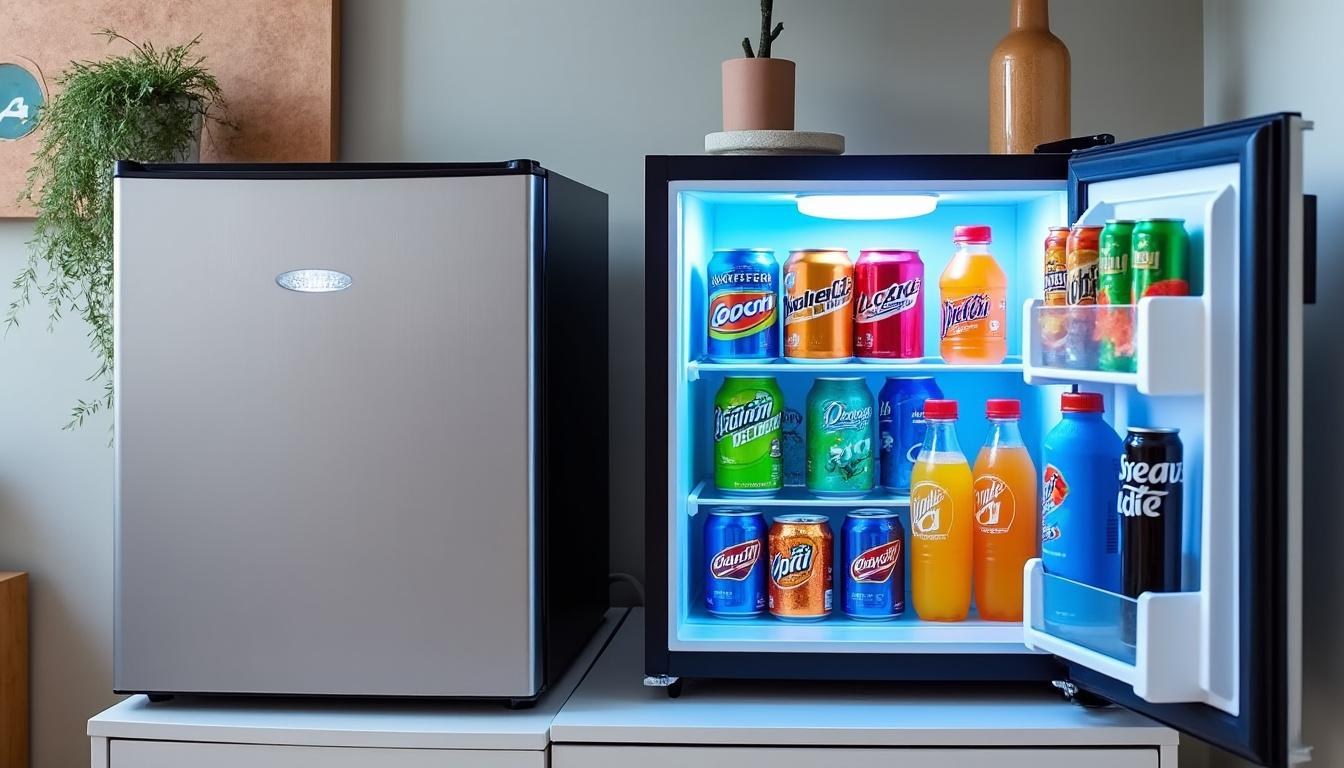
At the heart of any best mini fridge lies its cooling tech. Basically, there are two camps: compressor-based and thermoelectric systems. Knowing the difference can literally save your snacks and frozen dinners from turning into a sad soggy mess!
Compressor cooling is the heavyweight champ of the cooling world, working just like the fridges you see in kitchens. It uses a compressor and refrigerant to maintain steady, food-safe temperatures, even when room temps climb. This means you can actually freeze food, make solid ice cubes, and safely store perishables without worry. This kind of tech is a must-have if you want longevity and real freezer functionality, as seen in brands like American mini fridge best sellers.
On the flip side, thermoelectric cooling relies on the Peltier effect to create temperature differences but only cools about 20-25 degrees below ambient temperature. So, if your room is 70°F (21°C), your fridge might only get down to 45-50°F (7-10°C). That’s great for drinks and snacks, but fresh milk or raw meat? Not so much. Thermoelectric minibars shine mainly in portable fridge scenarios or where noise is an absolute no-go. The neat thing is, some even offer warming modes which could be a surprise handy bonus!
Energy consumption and noise levels also tie directly to cooling tech. Compressor fridges do use more power but thanks to modern advances and energy efficient fridge models, that extra juice is pretty well balanced by superior performance. Thermoelectric models sip power but might hum or run less consistently in hotter environments.
In essence, if you’re serious about cold food storage and plan to keep perishables, a compressor model is the front runner. For chilling beverages silently with portability perks, thermoelectric makes a strong case.
which mini fridge features truly add value to your daily use?
When it comes to mini fridge features, the magic is in the details. Beyond capacity and cooling, the extras can elevate your experience from “it works” to “I love this!” Let’s dive into some standout features that deserve your attention.
- 🌟 Temperature control: Forget vague high/low dials. Look for models with well-marked, multiple settings, or better yet, digital displays that specify exact temperatures. This lets you tailor the fridge temperature control precisely to your storage needs, which is a game-changer when juggling produce, dairy, and sodas.
- 🎨 Design & style: Whether you fancy a sleek modern look or charming retro vintage flair like the iconic SMEG models, matching your mini fridge to your vibe is inspiring. Plus, reversible doors increase placement flexibility.
- 🧊 Freezer compartment: True freezer sections that reach below 0°F are rare but essential if you want to store frozen dinners, ice cream, or even cocktails with ice for your next party. Double-door models typically do better here.
- 🔇 Noise levels: Especially for bedrooms or offices, ultra-quiet operation is critical. Models rated below 40 dB blend into background noise, so no more fridge-whirr distractions while you work or sleep.
- 💡 LED lighting: Not only does it jazz up the interior but also helps locate stuff in dim rooms effortlessly.
- 🛠️ Adjustable shelves and door bins: Flexibility in storage is a must. Shelves that move or lift, plus can racks or drink dispensers, boost your organization game and maximize compact refrigerator capacity.
- 🧹 Defrosting system: Most mini fridges require manual defrosting, but some models offer automatic defrost features that save you a cold, crusty hassle.
Let’s be honest: features like built-in Coca-Cola can dispensers or integrated bottle openers might sound niche, but for some, they turn the fridge from functional to fun.
where do mini fridges really fit best? Exploring popular use cases
The versatility of a portable fridge or a compact mini fridge shines brightest when you match it to the right spot. Let’s break down some popular scenarios and what to look out for in each:
- 🎓 Dorm rooms and shared spaces: Space is tight and noise tolerance low. Focus on compact models with silent operation, moderate freezer compartments, and reversible doors. Make sure the fridge handles snacks, drinks, and maybe some fresh food without hogging room.
- 🏢 Offices and workspaces: Silence is golden! Choose models rated at or below 38 dB, with easy-to-reach shelves, clear door storage, and reliable temperature control. You want your afternoon meetings to be productive, not interrupted by fridge buzz.
- 🏡 Small apartments or studios: A mini fridge can double as your primary refrigeration—so capacity and performance count. Look for models with true freezer capability and energy efficiency to keep bills low in tight budgets.
- 🎉 Entertainment rooms and man caves: Style and convenience come first. Models with glass doors for easy content viewing or built-in can dispensers amp up the cool factor. Bonus points for retro design or brand collaborations like Xbox-themed fridges for the die-hard gaming crowd.
Knowing where you’ll place your mini fridge helps narrow your choices and avoid those “oh no, it’s too noisy” or “ouch it doesn’t fit” moments.
breaking down the buying decision: what really matters in 2026?
Choosing a mini fridge in today’s market demands a savvy blend of practical and personal considerations. Here’s what really moves the needle in consumer satisfaction and performance:
- 📏 Space specifics: Get those measuring tapes out. Knowing your fridge’s footprint, plus adding space for ventilation and door opening, avoids installation headaches.
- 💸 Budget smarts: Mini fridges now range from under $80 (hello, budget mini fridge options!) to premium $400+ units with retro charm or high-end tech. Set your price point early.
- ⚙️ Trusted brands & warranties: Start with brands boasting strong reliability like Midea, Upstreman, or EUHOMY. Checking warranty terms helps dodge post-purchase headaches.
- ⚡ Energy efficiency: Look for energy efficient fridge models labeled ENERGY STAR. They save ~$20+ a year on electricity while doing good for the planet.
- 🔕 Noise criteria: Precious quiet matters, especially if you’re sensitive to ambient sounds. Strive for under 40 dB for peaceful home or office vibes.
| Factor | Key Considerations | Why It Matters |
|---|---|---|
| Space / Size | Exact measurements, door swing, ventilation clearance | Ensures fit and prevents overheating |
| Cooling Type | Compressor vs thermoelectric | Food safety and freezer performance |
| Energy Efficiency | ENERGY STAR certification | Reduces long-term operating cost |
| Noise Level | Decibel rating (target <40 dB) | Comfort in bedrooms, offices |
| Additional Features | Freezer, LED lighting, reversible doors | Enhances usability and style |
| Budget & Warranty | Price range, brand reliability, warranty length | Ensures long-term satisfaction |
Making an informed choice helps you dodge the pitfalls of poorly matched fridges that either underperform, waste energy, or break too soon. Planning your purchase around these must-knows definitely pays off, trust me!
In the overall scheme, diving into your specific requirements first is the surest way to land the perfect mini fridge. Whether it’s about saving space, energy, or keeping your gozintas cold and gozouttas fresh, the right refrigerator is out there waiting to make your life cooler and more convenient.
What is the most reliable mini fridge brand?
Brands like Midea and Upstreman consistently receive high marks for reliability and durability, with many users reporting multiple years of trouble-free operation.
Do mini fridges consume a lot of electricity?
Electricity usage varies, typically from 0.5 kWh to 1.0 kWh per day. ENERGY STAR certified models use 20-30% less power, translating to savings and environmental benefits.
Are mini fridges safe to use in bedrooms regarding noise?
Yes, provided you choose models with noise levels under 40 decibels. Quiet compressor models blend seamlessly into bedroom environments without disturbing sleep.
Can a mini fridge keep frozen food solid?
Only compressor-based models with true freezer compartments maintain temperatures below 0°F needed to keep frozen foods solid. Thermoelectric units generally only chill, not freeze.
How do I maintain my mini fridge for optimal performance?
Regular cleaning, defrosting when necessary, proper ventilation, and keeping the door seal intact extend your mini fridge’s lifespan and efficiency.
